Water Shut-off Valves for Leak Prevention
Water leaks are sneaky. A slow drip under a sink can quietly ruin a cabinet, while a burst hose can turn your living room into a wading pool in minutes. The good news: you can dramatically prevent water damage from leaks with one unglamorous hero-water shut-off valves-plus a plan for using and maintaining them.
Why shut-off valves matter (even if you "never have leaks")
A fast, confident emergency water shutoff for burst pipe situations is the difference between "minor cleanup" and "insurance claim." The right setup lets you:
Stop water instantly when something fails
Isolate only the problem area (so the whole house doesn't go dry)
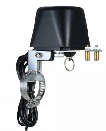
Add automation with an automatic water shutoff valve or smart water shutoff system that reacts while you're asleep or away
How to locate main water shutoff (and confirm it works)
If you only do one thing after reading this, do this.
Where is the water shutoff valve?
In most U.S. homes, the main shutoff is typically:
Near where the water line enters the house (often a basement wall, crawlspace, or utility room)
By the water heater (common in some layouts)
Outside near the meter (sometimes there's also an interior valve)
If you're asking "where is the water shutoff valve," check these spots first-and if you still can't find it, locate the water meter and follow the pipe.
How to turn off water supply (quick, practical steps)
Open a faucet (cold side) to relieve pressure and confirm shutoff later.
Turn the main valve clockwise (righty-tighty) until it stops.
Check the faucet: flow should drop to a trickle, then stop.
If it doesn't stop fully, the valve may be worn-flag it for replacement.
Keep this in mind for guests and house-sitters too: label the valve and leave a 10-second instruction note nearby.
Types of water shut off valves: the ones you'll actually see
There are many water valve types, but homeowners usually deal with a handful. Understanding the types of water shut off valves helps you choose upgrades that make sense.
Water shutoff valve types comparison: ball valve vs gate valve
This is the most common "upgrade question."
Ball valve
Uses a quarter-turn handle (90°)
Usually more reliable over time
Great for main shutoff and high-confidence shutoff needs
Gate valve
Uses a multi-turn knob
More likely to stick or fail to close completely as it ages
Common in older homes
If you're debating ball valve vs gate valve, most plumbers recommend replacing an old gate valve with a ball valve when practical-especially for the main.
Other common water shut-off valves
Globe valves (less common for whole-house shutoff; better for throttling than full open/close)
Angle stop valves under sinks and behind toilets (small local shutoffs that save the day)
Lever vs round handles (lever handles are faster in a panic)
This is the real-world view of water shut-off valves: you want a reliable main valve, plus local shutoffs where fixtures connect.
Whole house water shutoff installation: what "good" looks like
A solid setup usually includes:
A dependable main shutoff (often a ball valve)
Optional: a leak detection shutoff valve (automatic) on the main line
Isolation valves for key zones (kitchen, laundry, irrigation) if your layout allows
A proper whole house water shutoff installation is especially valuable if you travel, have a finished basement, or have appliances on upper floors.
Smart shutoff valve without plumber: realistic or risky?
A smart shutoff valve without plumber is possible in some homes-typically when:
Your plumbing has accessible, modern fittings
There's space to mount the device and access power (or long-life batteries)
You're comfortable following torque specs and leak-testing
That said, if your main line is tight, corroded, oddly sized, or hard to access, hiring a plumber is money well spent. A bad install can create the very leak you're trying to prevent.
Automatic protection: sensors, flow, and "shut it down for me"
A modern smart water shutoff system usually combines two ideas:
Flow sensor leak detection (measures unusual flow patterns-like a toilet running nonstop or a sudden pipe break)
Moisture sensors placed where leaks start (under sinks, behind toilets, near water heater)
When the system detects trouble, it closes an automatic water shutoff valve to limit damage.
Best automatic shutoff valve for home: how to choose
There isn't one perfect option for everyone, but the best automatic shutoff valve for home is the one that fits your household habits and plumbing reality. Look for:
Solid valve construction (metal body, reliable motor)
Clear "manual override" (you should still be able to turn water on/off)
Good alerting (audible alarm + phone notifications)
Flexible rules (shut off instantly for bursts, "warn first" for small drips)
Sensor options (supports multiple leak sensors)
If you have frequent short trips, pets at home, or a history of appliance hose failures, automatic shutoff moves from "nice" to "why didn't I do this sooner."
A simple strategy to prevent water damage from leaks
Think in layers:
Layer 1: Know the main shutoff (practice once)
Layer 2: Upgrade weak valves (especially old gate valves)
Layer 3: Add local shutoffs where missing (laundry, dishwasher, ice maker)
Layer 4: Add detection + automatic shutoff for 24/7 protection
This is how Water Shut-off Valves for Leak Prevention becomes a plan, not just a product.
Water shutoff valve maintenance checklist (do this twice a year)
Put it on your calendar-spring and fall is perfect.
Water shutoff valve maintenance checklist
Turn the main valve off/on once to ensure it moves smoothly
Check for seepage at the stem and fittings after operating
Confirm under-sink and toilet angle stops turn without forcing
Replace cracked supply hoses (especially rubber) and consider braided lines
Test leak sensors (if you have a leak detection shutoff valve setup)
Make sure everyone in the house knows how to turn off water supply quickly
If any valve feels frozen, don't muscle it-breaking a stem is a bad day. That's a replace-it signal.
Takeaway
Leaks happen, but disasters are optional. Start by learning how to locate main water shutoff, then make sure your valve is dependable (often a ball valve), and consider stepping up to an automatic water shutoff valve with flow sensor leak detection if you want round-the-clock backup. With the right mix of basics and smart protection, Water Shut-off Valves for Leak Prevention becomes one of the simplest, highest-impact upgrades you can make.
Estimated word count: ~980 words.