Should people turn off the water valve before a vacation
Vacations are supposed to lower your stress-not create a "coming home to a soaked ceiling" nightmare. One of the most practical what to do before leaving home vacation decisions is whether to shut off your home's water. So, Should people turn off the water valve before a vacation? In many homes, yes-especially for trips longer than a long weekend-because it's one of the simplest ways to cut the odds of major water damage while you're gone. Still, there are exceptions (sprinklers, heating systems, humidifiers, and specific plumbing setups), so the best choice is a quick risk check plus a safe shutoff plan.
Why this question matters: the real risk of water damage
Water damage often starts small: a pinhole leak, a worn toilet fill valve, a burst washing machine hose. Left unattended for days, it becomes expensive fast. Turning off the main supply is straightforward vacation water leak prevention and can reduce risk of burst pipe or a slow leak becoming a major loss.
It also affects claims: home insurance water damage coverage can vary, and some policies are strict about maintenance, negligence, or long periods of vacancy. Shutting off water (and documenting preparations) can help show you took reasonable precautions.
Quick answer: when you should shut off the main water
If you're asking, should i shut off main water valve vacation-these are strong "yes" scenarios:
You'll be gone 3+ days, especially a week or more
Your home has older plumbing, galvanized pipes, or past leak history
You have a finished basement or anything valuable below bathrooms/laundry
You're traveling during winter (freeze risk) or hurricane season (storm risk)
No one will check the house
In these cases, turn off main water supply is often the best default. This is the most common "set it and forget it" plumbing safety tips move for a water valve vacation plan.
When you might leave water on while away
Sometimes it's reasonable to leave water on while away, but do it intentionally:
Irrigation/sprinklers need water (unless you can isolate just that line)
Some homes use boilers/radiant heat that rely on water pressure (ask a pro)
You have a house-sitter or neighbor checking for leaks daily
You're gone only overnight or 1–2 days and your plumbing is modern
If you leave it on, add layers of protection (see leak detectors and smart shutoffs below). That way, you still get vacation water leak prevention without disrupting systems.
Pros and cons turning off water before travel
Pros
Prevents most catastrophic leaks from supply-side failures
Limits damage if a toilet flapper sticks, supply line bursts, or fixture fails
Simple, free, and fast once you know the water shutoff valve locati0n
Cons
Inconvenient if someone needs to water plants, clean, or service the home
If a valve is old, turning it can reveal weakness (rare, but possible)
Some setups (boilers, certain humidifiers) need special handling
The takeaway: the pros and cons turning off water favor shutoff for longer trips-especially if no one will be inside.
Water shutoff valve locati0n: find it before you pack
Knowing your water shutoff valve locati0n is crucial. Common spots:
Inside: basement wall facing the street, utility closet, garage, crawlspace entry
Outside: meter box near the curb (often requires a meter key)
Don't wait until the night before. Test it on a calm day and label it.
How to shut off house water (safe, step-by-step)
If you decide to turn off main water supply, here's how to shut off house water without surprises:
Turn off the main valve (clockwise for most "stop" valves; lever valves turn perpendicular to the pipe).
Open a faucet at the lowest level (like a basement sink) to relieve pressure.
Flush toilets once to reduce tank water level (optional).
Check for flow stopping: confirm faucets stop running after a few seconds.
Before leaving, do a quick walk-through: under sinks, behind toilets, laundry hookups.
Tip: If the main valve won't fully close or feels stuck, don't force it-schedule a plumber to replace it. A reliable main shutoff is one of the best home upgrades you can make.
Should I drain plumbing system, too?
Many homeowners ask: should I drain plumbing system before travel? Usually, not for normal vacations. Draining is more common for:
Seasonal properties
Long absences (weeks/months)
High freeze risk where the home may lose heat
If you're worried about winter: focus on heat and insulation first. Set the thermostat appropriately and open cabinet doors under sinks on exterior walls.
Winter travel: prevent frozen pipes while away
To prevent frozen pipes while away:
Keep heat on (don't set it too low)
Seal drafts, close garage doors, and insulate exposed pipes
If shutting off water, consider also draining faucets and supply lines where feasible
Ask someone to check the home after cold snaps
This approach helps prevent freezing and further reduce risk of burst pipe damage.
Should you shut off water heater before travel?
People also ask about shut off water heater before travel. It depends on trip length and whether you shut off the main:
If you shut off the main water: set the water heater to Vacation mode (if available) or turn it to Low. Avoid running a heater without proper water supply.
If you leave water on: you can still use Vacation mode to save energy.
If you're unsure, this is a good time to ask a plumber-especially for gas units. The goal is safety, energy savings, and avoiding equipment stress. (This also addresses the common query: shut off water heater before travel.)
Smart protection: water valve vs smart shutoff
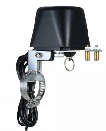
If you travel often, consider the water valve vs smart shutoff debate. A manual main valve is simple-but a smart system adds monitoring and automatic action.
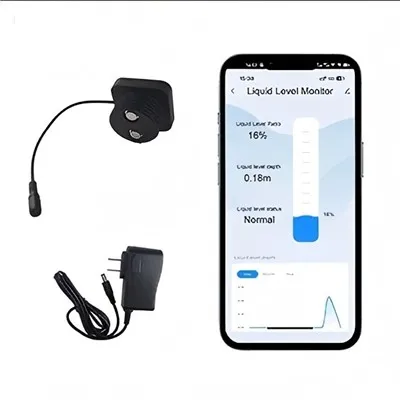
Automatic water leak detector system
An automatic water leak detector system typically includes:
Sensors near toilets, sinks, water heater, washing machine, dishwasher
Alerts to your phone
Optional automatic shutoff when leaks are detected
Best smart water shutoff valve: what "best" means
The best smart water shutoff valve for you depends on:
Pipe size compatibility and install type
Reliable leak detection + auto shutoff
App alerts, battery backup, and offline behavior
Professional install vs DIY clamp-on options
For frequent travelers or high-risk homes, smart shutoff plus sensors is strong vacation water leak prevention-even if you still manually shut the water off sometimes.
A simple pre-trip checklist (water-focused)
Use this as your what to do before leaving home vacation water plan:
Confirm the water shutoff valve locati0n and test it
Decide: leave water on while away or turn off main water supply
If leaving water on, set up sensors and alerts (or a smart shutoff)
Inspect supply hoses (washer) and under-sink shutoffs
Set water heater to Vacation/Low if appropriate (shut off water heater before travel considerations)
If winter: follow steps to prevent frozen pipes while away
Conclusion: the safest default for most vacations
So, Should people turn off the water valve before a vacation? For most homeowners taking multi-day trips-especially a week or longer-yes. It's a low-effort step that can dramatically cut your exposure to leaks and water damage. If you can't shut it off due to sprinklers or heating needs, layer protection with an automatic water leak detector system or smart shutoff and make sure someone checks the house. Either way, a clear plan beats guessing-and it's one of the best plumbing safety tips you can follow before you travel.
Estimated word count: ~980 words.