Understanding the Benefits of Smart Water Technology
Smart water technology refers to digital tools that help homes, businesses, utilities, and communities measure, monitor, and manage water more efficiently. Instead of relying only on manual meter readings, paper bills, or delayed leak detection, smart water systems use connected devices, sensors, data platforms, and automated alerts to provide clearer insight into how water is being used.
For U.S. readers, the topic is becoming increasingly relevant as many regions face aging infrastructure, rising utility costs, drought concerns, and growing demand for conservation. Whether you are a homeowner trying to reduce your monthly bill or a property manager responsible for multiple buildings, smart water technology can make water use easier to understand and easier to control.
What Is Smart Water Technology?
If you are asking, "What is smart water technology?" the simplest answer is this: it is the use of connected devices and data to improve water management.
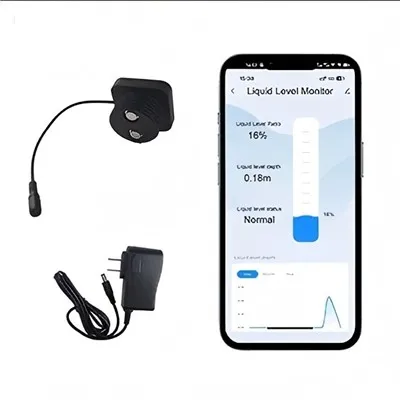
Smart water technology can include devices that measure water flow, detect leaks, monitor pressure, track water quality, or automate irrigation. These tools often connect to software dashboards or mobile apps, allowing users to view water usage in near real time and receive alerts when something unusual happens.
Common examples include:
Smart water meters that record water usage digitally and may send data automatically to a utility or user dashboard
Leak detection sensors that alert homeowners or facility teams when water is detected where it should not be
Smart irrigation controllers that adjust watering schedules based on weather, soil moisture, or seasonal needs
Pressure and flow sensors that help identify system problems before they become expensive repairs
Water quality monitoring tools that track indicators such as temperature, turbidity, or chemical levels, depending on the application
Together, these tools create a more informed approach to water management.
How Smart Water Systems Work
Smart water systems typically combine hardware, connectivity, and software. The hardware collects information from a water line, fixture, irrigation system, tank, or other part of the water network. Connectivity allows that information to be transmitted, and software helps turn the data into useful insights.
For example, a smart meter may measure how much water enters a home or building throughout the day. If the system detects continuous flow at a time when no water should be running, it may indicate a leak. A user might then receive an alert by app, text, or email.
In larger applications, such as municipal water networks, smart systems can help utilities identify abnormal usage patterns, pressure issues, or possible water loss in the distribution system. For businesses and multifamily properties, the same concept can support better budgeting, maintenance planning, and sustainability reporting.
Key Benefits of Smart Water Technology
The main benefit of smart water technology is better visibility. Traditional water management often depends on discovering problems after the damage is done. Smart tools help shift water management from reactive to proactive.
1. Earlier Leak Detection
Leaks can be costly, disruptive, and difficult to spot. A slow leak behind a wall, under a slab, or in an irrigation line may continue for weeks before anyone notices. Smart water systems can flag unusual water use patterns much sooner.
Early alerts can help reduce water waste, prevent property damage, and lower repair costs. For homeowners, this can mean catching a running toilet or hidden pipe leak before it becomes a major issue. For commercial properties, early leak detection can help avoid downtime and protect expensive equipment or tenant spaces.
2. Better Understanding of Water Usage
Smart water meters and connected monitoring tools make it easier to see when, where, and how water is being used. Instead of waiting for a monthly bill, users may be able to review daily or hourly usage trends.
This insight can help answer practical questions, such as:
Is water use higher during certain times of day?
Did usage increase after a new appliance, tenant, or process was added?
Are outdoor irrigation schedules causing unnecessary consumption?
Is there continuous flow that suggests a hidden leak?
When water use is easier to understand, it becomes easier to manage.
3. Lower Utility Costs Over Time
Smart water technology does not automatically guarantee lower bills, but it can help identify waste and inefficiencies that drive costs up. By detecting leaks sooner, improving irrigation schedules, and encouraging more informed usage habits, these systems may help reduce unnecessary water consumption.
For businesses, schools, hospitals, apartment communities, and industrial facilities, even small improvements can add up when water use is high. For homeowners, savings may come from finding leaks, adjusting outdoor watering, or simply becoming more aware of daily habits.
4. Support for Water Conservation
Water conservation is important across the United States, especially in drought-prone regions and areas with growing populations. Smart water systems can support conservation by providing actionable data rather than guesswork.
A smart irrigation controller, for example, may reduce watering after rainfall or adjust schedules based on local conditions. A smart meter may help a household notice that outdoor watering is using more water than expected. A utility may use smart infrastructure to better understand water loss across its distribution network.
The result is a more efficient approach that can benefit both individual users and the broader community.
5. Improved Maintenance and Planning
For property owners, facility managers, and municipalities, smart water technology can improve maintenance decisions. Instead of waiting for complaints, visible damage, or high bills, teams can use data to identify patterns and prioritize inspections.
This can be especially helpful for larger buildings, campuses, and utility networks where water systems are complex. Monitoring pressure, flow, and consumption trends can help teams spot early warning signs and plan repairs more strategically.
Smart Water Meters vs. Traditional Water Meters
Traditional water meters measure usage, but they often require manual reading or provide limited visibility between billing cycles. Smart water meters are designed to collect usage data digitally and may transmit that data automatically.
The main difference is access to information. With a traditional meter, a user may not realize there is a problem until the next bill arrives. With a smart meter, unusual activity can often be identified sooner, depending on the system and how frequently data is updated.
This makes smart meters useful for residential, commercial, and municipal applications. They can simplify meter reading, improve billing accuracy, and help users make more informed choices about water use.
Who Can Benefit From Smart Water Technology?
Smart water technology can be useful in many settings, including:
Homeowners who want to prevent leaks, reduce waste, and better understand household water use
Property managers overseeing apartments, condos, offices, or mixed-use buildings
Businesses looking to manage operating costs and support sustainability goals
Municipal utilities seeking better visibility into water distribution, billing, and infrastructure performance
Agricultural and landscaping operations that rely on efficient irrigation
Schools, hospitals, and public facilities where water reliability and cost control matter
The right solution depends on the size of the property, the water challenges involved, and the level of monitoring needed.
Things to Consider Before Choosing a Smart Water System
Before investing in smart water technology, it is helpful to think about your goals. A homeowner focused on leak prevention may need a different solution than a city utility managing thousands of service connections.
Important considerations include:
What problem are you trying to solve: leaks, high bills, irrigation waste, billing accuracy, or infrastructure monitoring?
Does the system provide real-time or near-real-time alerts?
Is the technology compatible with existing plumbing, meters, or management software?
How easy is the dashboard or app to use?
Who receives alerts, and how quickly can someone respond?
Are there installation, subscription, or maintenance requirements?
A smart system is most valuable when the data leads to clear action.
The Future of Smarter Water Management
Smart water technology is part of a broader shift toward more efficient, data-driven infrastructure. As connected devices become more common, water users can move beyond simple measurement and toward active management.
For households, that may mean fewer surprise leaks and better control over monthly usage. For businesses, it may mean improved operational efficiency and stronger sustainability practices. For utilities and communities, it may mean better insight into aging systems and more effective conservation strategies.
At its core, smart water technology is about making water use visible. When people and organizations can see what is happening, they can respond faster, waste less, and make better decisions. In a world where water is both essential and increasingly valuable, that visibility can make a meaningful difference.