What is the power of IoT in water management systems
Water systems are under pressure-from aging pipes and rising energy costs to drought, contamination events, and public expectations for transparency. That's where the power of IoT becomes practical: connected devices turn "invisible" water assets into measurable, manageable networks. In simple terms, iot in water management means using connected sensors, meters, and analytics to detect issues early, optimize operations continuously, and make decisions based on live field conditions-not yesterday's reports.
What is the power of IoT in water management systems?
What is the power of IoT in water management systems? It's the ability to collect high-frequency data across the entire water cycle-source, treatment, distribution, and customer endpoints-and convert it into actions that reduce losses, protect quality, and lower operating costs.
In practice, that power shows up as:
Faster detection of leaks, bursts, and abnormal demand
Better water quality monitoring with alarms before consumers are affected
Automation that complements operators rather than replacing them
Continuous optimization of treatment and pumping energy
Evidence-based capital planning for rehabilitation and expansion
Core building blocks of smart water management systems
Modern smart water management systems combine field hardware with cloud/edge software. A practical IoT water management guide usually includes these layers:
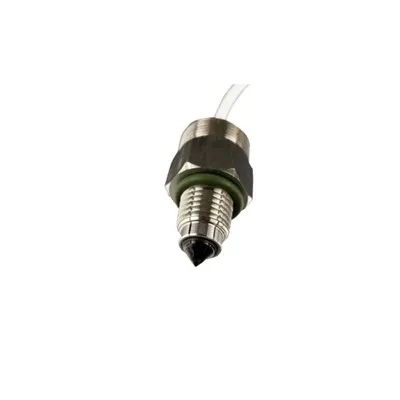
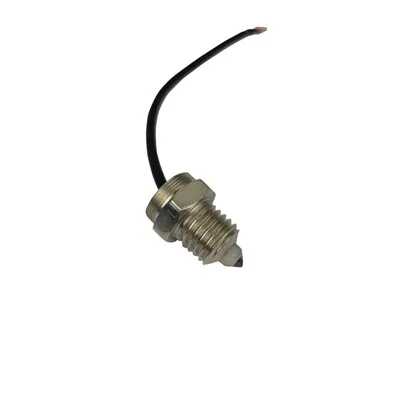
1) IoT sensors for water monitoring (the "eyes and ears")
Common IoT sensors for water monitoring include:
Pressure and flow sensors to track hydraulic performance
Acoustic sensors for early leak signatures
Level sensors for tanks and reservoirs
Water-quality probes (pH, turbidity, chlorine residual, conductivity, ORP)
2) Communications (how data travels)
Utilities and irrigation operators often choose based on range, power, and coverage. LoRaWAN for smart water is popular for long-range, low-power sensor networks-especially where cellular is costly or power is limited. Cellular (LTE/5G/NB-IoT), fiber, and licensed radio still matter for high-throughput or critical sites.
3) Platforms + analytics (how data becomes decisions)
The goal isn't "more dashboards," it's actions. IoT data analytics for water management can:
Detect anomalies (e.g., overnight flow spikes)
Correlate pressure drops with leak likelihood
Forecast demand by zone and time of day
Identify assets trending toward failure
When evaluating best IoT platforms for water utilities, prioritize: device management, secure integrations, alarm workflows, open APIs, GIS support, historian capabilities, and flexible reporting for compliance.
Real-time water quality monitoring: reducing risk and response time
Water quality problems move fast-and public trust is fragile. Real-time water quality monitoring adds a protective layer between treatment and tap by providing early warning signals and automated alerts.
A strong water quality monitoring program with IoT often enables:
Continuous chlorine residual monitoring to detect decay and dosing issues
Turbidity spikes that suggest main breaks or intrusion risk
Rapid notification to operations teams and on-call staff
For many utilities, the most immediate win is targeted sampling: sensors highlight where to dispatch crews, making lab testing more efficient instead of less important.
Leak detection using IoT and reducing non-revenue water
Few initiatives pay back like addressing losses. Leak detection using IoT helps pinpoint issues sooner, narrowing the search area and reducing damage.
Typical approaches include:
Pressure transient monitoring to flag bursts in minutes
Acoustic leak loggers to identify leak noise patterns overnight
District Metered Areas (DMAs) paired with analytics to isolate problem zones
Customer-side alerts from advanced meters for continuous-flow events
This is central to reducing non-revenue water technology: you're not just finding leaks-you're building a system that prevents small leaks from becoming large breaks and quantifies losses to justify repairs.
Smart water meters for utilities: turning consumption into insight
Smart water meters for utilities do more than automate billing. Interval data supports:
High-resolution demand analysis (peak factors, seasonal shifts)
Faster customer service (move-in/move-out reads, usage disputes)
Conservation programs with measurable outcomes
Early warnings for backflow risk indicators or unusual patterns
When paired with pressure data, metering also helps validate hydraulic models and supports targeted pressure management-one of the most reliable ways to reduce leakage and extend asset life.
Benefits of IoT in water treatment: stability, efficiency, and compliance
The benefits of IoT in water treatment include tighter process control, fewer upsets, and better energy use. Sensors and analytics can optimize:
Coagulant and disinfectant dosing based on real influent conditions
Filter run performance and backwash scheduling
Pump runtime, VFD setpoints, and chemical feed verification
If you're documenting the benefits of IoT in water treatment for stakeholders, quantify improvements in chemical usage per million gallons, energy per unit volume, and compliance event reduction.
Predictive maintenance for water utilities: fix before failure
Reactive maintenance is expensive: overtime, emergency mobilization, collateral damage, and customer disruption. Predictive maintenance for water utilities uses condition indicators (vibration, motor current, temperature, pressure patterns) to forecast failure and plan interventions.
High-impact targets:
Pumps and blowers (bearings, seals, cavitation indicators)
PRVs and control valves (hunting, sticking, abnormal cycles)
Critical mains with recurring pressure events
SCADA vs IoT water systems: complementary, not either/or
Operators often ask about SCADA vs IoT water systems. SCADA is built for control and high reliability at critical sites (plants, major stations). IoT excels at broad, cost-effective sensing across the distribution edge.
A practical model:
Keep SCADA for control loops and core operations
Use IoT to extend visibility (pressure, quality, remote assets, customer endpoints)
Integrate both into a unified operations view and alarm workflow
How to implement IoT in water networks (a practical rollout plan)
If you're planning how to implement IoT in water networks, start small and scale with proof:
Define the outcomes: NRW reduction, quality assurance, energy savings, or service reliability.
Choose priority zones/assets: DMAs, problem pressure zones, high-risk mains, critical customers.
Select connectivity: evaluate cellular vs LoRaWAN for smart water based on coverage and power.
Design data governance: naming standards, calibration plans, retention, and audit trails.
Integrate with existing systems: GIS, CMMS, billing, and SCADA where relevant.
Operationalize alerts: alarms must map to clear actions, owners, and escalation paths.
Measure ROI: document avoided breaks, reduced truck rolls, energy savings, and complaint reduction.
Cybersecurity for IoT water infrastructure: treat it as essential engineering
Connected water assets increase the attack surface, so cybersecurity for IoT water infrastructure must be designed in-not added later. Key practices:
Network segmentation and least-privilege access
Strong device identity, certificate-based authentication, and key rotation
Secure firmware updates and vulnerability management
Continuous monitoring and incident response runbooks
Vendor due diligence (SBOMs, patch SLAs, penetration testing evidence)
Takeaway: IoT makes water systems measurable-and measurably better
The real answer to What is the power of IoT in water management systems? is operational clarity at scale: seeing leaks earlier, protecting quality continuously, optimizing treatment and energy, and planning maintenance before failures. With the right sensors, connectivity, analytics, and security, smart irrigation systems and utility networks alike can shift from reactive firefighting to proactive performance-delivering safer water, lower costs, and higher customer trust.
(Estimated article body word count: ~980 words)