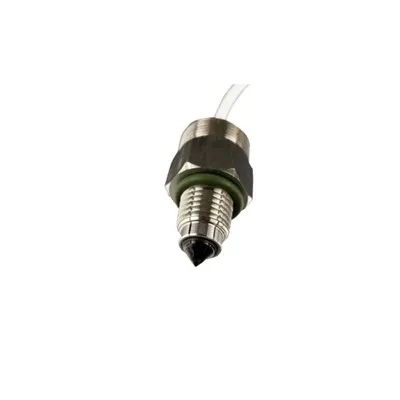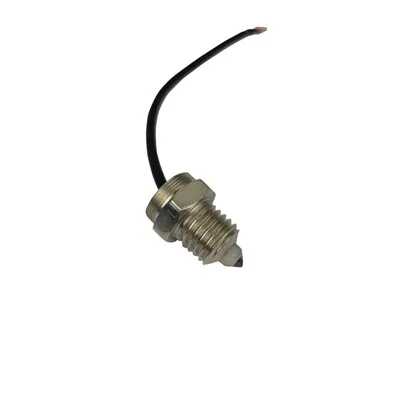
What is the instrument used to measure cloud cover
When people ask which instrument is used to measure cloud cover, the most accurate answer is: cloud cover can be measured by a sky-facing cloud cover sensor, a total sky imager, or a ceilometer system, depending on the level of detail needed. In traditional weather observation, human observers also estimate cloud cover visually using a scale called oktas.
In simple terms, cloud cover measurement tells us how much of the sky is covered by clouds at a specific time and locati0n. This matters for daily forecasts, aviation safety, solar energy planning, climate research, agriculture, and outdoor decision-making. A modern weather cloud tracker may combine cameras, sensors, and software to detect cloud amount, cloud movement, cloud height, and sky conditions in real time.
The main instrument used to measure cloud cover
The most direct modern cloud cover measurement instrument is usually a total sky imager or whole-sky camera. This device points upward and captures images of the sky. Software then analyzes those images to determine how much of the visible sky is covered by clouds.
A total sky imager can help identify:
The percentage of sky covered by cloud
Whether clouds are thin, broken, scattered, or overcast
Cloud movement across the sky
Changes in cloud cover over time
Conditions that affect sunlight and solar radiation
This makes the total sky imager one of the most practical answers to the question. It directly observes the sky and uses image analysis to estimate cloud coverage.
However, meteorology uses several tools for cloud observation, so the "right" instrument can depend on the context.
Common tools used to measure or observe cloud cover
Total sky imager
A total sky imager is a camera-based cloud observation system. It uses a wide-angle or fisheye lens to view most or all of the sky dome. The captured images are processed to separate cloud from clear sky.
This type of cloud cover sensor is useful when the goal is to estimate actual sky coverage as a percentage. For example, if half the sky is clouded, the system may report cloud cover near 50%, depending on the image-processing method and local conditions.
Total sky imagers are often used in:
Weather stations
Solar energy sites
Climate research
Airport weather monitoring
Environmental monitoring networks
Their main advantage is that they provide visual, sky-wide information. Their limitation is that performance can be affected by glare, night conditions, precipitation, haze, or a blocked horizon.
Ceilometer
A ceilometer is another important cloud observation instrument. It uses a laser beam to detect the height of cloud bases above the ground. The instrument sends light upward and measures the reflection from cloud droplets or particles.
Strictly speaking, a ceilometer is designed to measure cloud base height, not cloud cover alone. But in automated weather stations, ceilometer data can be used over time to estimate sky condition. By tracking how often clouds pass over the sensor, the system can infer whether the sky is clear, scattered, broken, or overcast.
Ceilometers are especially important in aviation because pilots and air traffic systems need to know cloud ceiling height. A low cloud ceiling can reduce visibility and affect takeoff, landing, and flight planning.
Human observation and oktas
Before automated systems became common, cloud cover was often measured by trained human observers. The observer would look at the sky and estimate how many eighths of the sky were covered by cloud. This scale is called oktas.
The okta scale works like this:
0 oktas means the sky is clear
1 to 2 oktas means only a small part of the sky is cloudy
3 to 4 oktas means partial cloud cover
5 to 7 oktas means most of the sky is cloudy
8 oktas means the sky is completely overcast
Human observation is still useful because people can interpret cloud type, layers, and visual context. But it is also subjective. Two observers may estimate the sky slightly differently, especially when clouds are thin, patchy, or unevenly distributed.
Nephoscope
A nephoscope is a traditional instrument associated with cloud observation. It is mainly used to determine the direction and speed of cloud movement, rather than the total amount of cloud cover. You may see it mentioned in educational contexts as a weather instrument related to clouds.
A nephoscope can help track where clouds are moving and how fast they appear to travel. While it is not the main modern tool for measuring cloud cover percentage, it belongs in the broader group of cloud-observing instruments.
Satellite cloud monitoring
Satellites also measure cloud cover from above Earth. Instead of viewing the sky from the ground, satellites observe large regions from space. They can monitor cloud cover across countries, oceans, and entire continents.
Satellite-based cloud observation is essential for:
Large-scale weather forecasting
Storm tracking
Climate studies
Hurricane monitoring
Global cloud pattern analysis
The limitation is that satellite measurements may not always match what a person sees from the ground at one exact locati0n. For local cloud cover, ground-based sensors and sky cameras are often more specific.
How cloud cover is reported
Cloud cover is commonly reported in descriptive categories or percentages. A weather app may say "partly cloudy," while a professional weather station may use more technical observations.
Common descriptions include:
Clear: little or no cloud cover
Few clouds: only a small portion of the sky is cloudy
Scattered clouds: clouds are present but do not dominate the sky
Broken clouds: most of the sky is covered, but some openings remain
Overcast: the sky is fully or almost fully covered
In scientific and solar energy applications, cloud cover may be expressed as a percentage from 0% to 100%. A value of 0% means a clear sky, while 100% means complete cloud coverage.
Why cloud cover measurement matters
Cloud cover affects far more than whether the sky looks gray or blue. It plays a major role in weather, temperature, visibility, and sunlight.
Weather forecasting
Cloud cover helps meteorologists understand atmospheric conditions. Increasing cloud cover may suggest moisture, instability, or an approaching weather system. Decreasing cloud cover may indicate clearing skies or changing air masses.
Temperature prediction
Clouds influence temperature in two important ways. During the day, clouds can block sunlight and keep temperatures cooler. At night, clouds can trap heat near the ground and prevent rapid cooling.
This is why a cloudy night is often warmer than a clear night under similar conditions.
Solar energy planning
For solar farms and rooftop solar systems, accurate cloud tracking is extremely valuable. Clouds can reduce solar panel output quickly, especially when thick clouds pass over the sun. A weather cloud tracker can help estimate short-term solar production and improve energy management.
Aviation safety
Pilots need accurate cloud information for visibility, ceiling height, and flight conditions. Instruments such as ceilometers and automated cloud sensors help airports report sky conditions more consistently.
Climate research
Clouds are a major factor in Earth's energy balance. They reflect sunlight back into space and also trap heat in the atmosphere. Long-term cloud cover measurements help researchers study climate patterns and atmospheric change.
Cloud cover sensor vs. ceilometer: what is the difference?
A cloud cover sensor usually focuses on how much of the sky is covered by clouds. It may use optical detection, infrared sensing, or camera-based analysis.
A ceilometer focuses on cloud height. It tells you how high the base of a cloud layer is above the ground. In automated systems, ceilometer data can also support cloud amount estimates, but its primary function is cloud ceiling measurement.
A simple way to remember the difference is:
A cloud cover sensor answers: "How much of the sky is cloudy?"
A ceilometer answers: "How high are the clouds?"
A weather cloud tracker may answer both, plus: "Where are the clouds moving?"
What is the best instrument for measuring cloud cover?
For direct cloud cover measurement, the best instrument is usually a total sky imager or automated cloud cover sensor. These tools are designed to observe the sky and calculate cloud amount.
For aviation, a ceilometer is often more important because cloud base height directly affects flight operations. For large-scale weather monitoring, satellites provide the broadest view. For basic education or manual observation, the okta method is still a simple and useful way to understand cloud cover.
So, the best answer depends on the purpose:
For local cloud percentage: use a total sky imager or cloud cover sensor
For cloud height: use a ceilometer
For cloud movement: use a nephoscope or tracking software
For global cloud patterns: use satellites
For simple visual estimates: use the okta scale
Final answer
The instrument most commonly used to measure cloud cover directly is a total sky imager, also called a whole-sky camera or automated cloud cover sensor. In many weather stations, cloud conditions may also be measured or estimated using a ceilometer, especially when cloud height and sky condition are important.
In traditional meteorology, cloud cover can also be estimated by human observers using the okta scale, while instruments like the nephoscope help measure cloud movement. Together, these tools give meteorologists a clearer picture of how clouds form, move, and affect the weather.