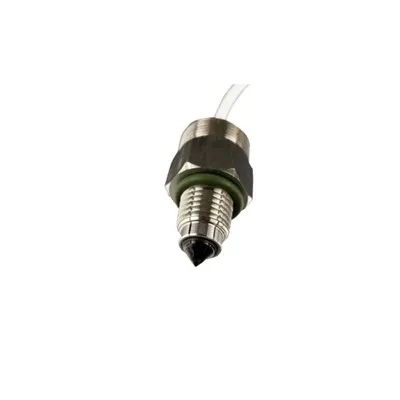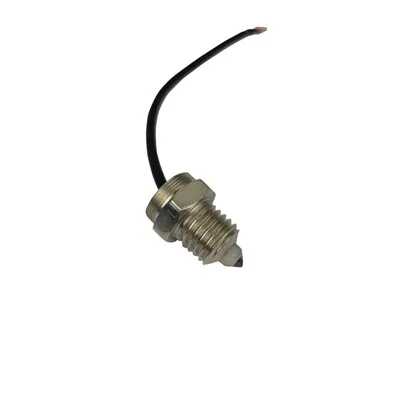
Which pressure sensor for water level measurement
When you need to measure water level in a tank, well, basin, channel, or process vessel, pressure-based measurement is often one of the most reliable and cost-effective options. Instead of detecting the surface of the water directly, a pressure sensor measures the hydrostatic pressure created by the water column above it. That pressure is then converted into a level reading.
Choosing the right pressure sensor for water level measurement depends on the application, installation style, water conditions, required accuracy, and how the sensor will reference atmospheric pressure. This guide explains how the technology works, how to compare sensor types, and what to check before selecting a water level sensor for common applications.
How pressure-based water level measurement works
Water creates pressure at the bottom of a tank or reservoir because of its weight. The deeper the water, the higher the pressure. A pressure sensor installed below the water surface measures this pressure and converts it into an electrical signal, typically such as 4–20 mA, 0–10 V, or a digital output depending on the system.
In simple terms:
A shallow water column creates low pressure.
A deeper water column creates higher pressure.
The sensor output increases as the water level rises.
The control system converts pressure into height or volume.
For clean water, the relationship between pressure and level is very predictable. As a general rule, approximately 1 psi equals about 2.31 feet of water. However, density, temperature, and water composition can affect the exact conversion, especially in high-accuracy applications.
Pressure-based level measurement is widely used because it does not require a clear line of sight, is not affected by foam or surface turbulence in the same way ultrasonic sensors can be, and can work in dark, narrow, or enclosed spaces.
Pressure sensor types for water level measurement
The most important decision is whether to use a gauge, absolute, or sealed gauge sensor. Each type references pressure differently, and that directly affects level accuracy.
Gauge pressure sensors
A gauge pressure sensor measures water pressure relative to the current atmospheric pressure. For most vented tanks, open wells, reservoirs, and channels, this is usually the preferred choice.
Because the sensor compensates for changes in atmospheric pressure, a gauge water pressure sensor can provide accurate level readings even when weather conditions change. Many submersible level sensors use a vented cable that allows the sensing element to reference atmospheric pressure.
Gauge sensors are often best for:
Vented water tanks
Open reservoirs
Wells
Open channels
Stormwater and wastewater basins
General water level monitoring
Absolute pressure sensors
An absolute pressure sensor measures pressure relative to a vacuum. It does not automatically compensate for atmospheric pressure. In water level measurement, this means the reading includes both the pressure from the water column and the pressure from the atmosphere above it.
Absolute sensors can be useful in sealed vessels or applications where a separate barometric pressure measurement is available for compensation. They may also be used where vented cables are impractical, but the control system must account for changing atmospheric pressure if accurate level data is required.
Absolute sensors are often used for:
Sealed or pressurized tanks
Remote installations with barometric compensation
Applications where vent tubes may clog or collect moisture
Specialized industrial systems
Sealed gauge pressure sensors
A sealed gauge sensor measures pressure relative to a fixed reference pressure sealed inside the sensor, often close to atmospheric pressure at the time of manufacture. This design avoids the need for a vent tube, but it does not track real-time atmospheric changes.
Sealed gauge sensors can be rugged and practical in some installations, but for low water levels, atmospheric pressure changes may introduce noticeable error. They are generally better suited for higher pressure ranges where barometric variation is small compared with the measured pressure.
Sealed gauge sensors may be suitable for:
Deeper wells
Higher water columns
Rugged outdoor installations
Applications where a small barometric error is acceptable
Submersible vs external installation
A pressure sensor for water level measurement can usually be installed in one of two ways: submerged directly in the water or mounted externally to a pipe or tank fitting.
Submersible water level sensors
A submersible sensor is lowered into the water and positioned near the bottom of the tank, well, or basin. It directly measures the pressure created by the water above it.
This style is common because it is simple to install, does not require tank penetration in many cases, and works well in wells or open bodies of water. The cable must be properly supported and protected, especially in deep wells or turbulent environments.
Submersible sensors are commonly used in:
Groundwater wells
Boreholes
Storage tanks
Lakes and reservoirs
Lift stations
Stormwater basins
External pressure sensors
An external sensor is mounted outside the tank, usually connected to a bottom outlet, pipe, or process port. It measures the pressure at that point and converts it to level.
This approach can make maintenance easier because the sensor may be accessible without removing it from the water. However, the connection point must remain filled with water and free from blockages, sediment, air pockets, or frozen sections.
External sensors are commonly used for:
Above-ground tanks
Process vessels
Pump systems
Water treatment equipment
Industrial skids
Key specifications to compare
Selecting the right water level sensor is not only about pressure range. The following specifications determine whether the sensor will be accurate, durable, and easy to maintain.
Pressure range
Choose a range that matches the maximum expected water depth. A sensor with too low a range may be damaged or over-range. A sensor with too high a range may provide poor resolution at low levels.
For best results, select a range slightly above the maximum expected water column, while allowing room for surges, overfill conditions, or installation tolerances.
Accuracy
Accuracy requirements vary widely. A basic tank monitoring system may only need a general level indication, while groundwater monitoring or process control may require tighter accuracy.
Check whether the stated accuracy includes linearity, hysteresis, repeatability, and temperature effects. Some sensors advertise a basic accuracy figure that does not represent total installed performance.
Temperature range
Water temperature and ambient conditions can affect both the sensor and the cable. Outdoor installations may experience freezing conditions, direct sun, or rapid temperature shifts. Industrial tanks may involve warm process water.
Confirm both operating temperature and compensated temperature range. A sensor can often survive a wider temperature range than the range over which it provides its best accuracy.
Media compatibility
Even when measuring "water," the actual media can vary. Clean potable water, chlorinated water, brackish water, wastewater, stormwater, and groundwater may all require different materials.
Check compatibility for:
Sensor housing material
Diaphragm material
Cable jacket
Seals and O-rings
Any exposed adhesives or potting compounds
Stainless steel is common for clean water, while wastewater or corrosive applications may require more specialized materials.
Venting and atmospheric compensation
For gauge sensors, venting is critical. A vented cable or tube allows the sensor to reference atmospheric pressure. If the vent becomes blocked by moisture, condensation, insects, or debris, the reading can drift.
Look for features such as:
Vent tube protection
Desiccant filters
Moisture barriers
Proper termination enclosures
Maintenance guidance for vented cables
If the installation cannot support reliable venting, consider an absolute sensor with barometric compensation.
Cable length and construction
For submersible sensors, cable length matters. The cable must reach from the sensor locati0n to the termination point with enough extra length for routing, strain relief, and service access.
Also consider:
Cable jacket material
Tensile strength
Chemical resistance
Diameter and flexibility
Shielding for electrical noise
Suitability for potable water, if required
Never suspend a heavy sensor from a cable unless the sensor and cable are designed for that load.
Output signal
Choose an output compatible with your controller, display, data logger, or telemetry system. For long cable runs, 4–20 mA is often preferred because it is robust and less sensitive to voltage drop. Voltage outputs may work well for shorter runs. Digital outputs can be useful when diagnostics, configuration, or multi-sensor networks are required.
Selection checklist by application
Water storage tanks
For vented tanks, a gauge pressure sensor is usually the most straightforward choice. A submersible sensor can be lowered into the tank, or an external sensor can be connected near the bottom.
Check for:
Maximum tank height
Clean water vs treated or chemical water
Tank venting
Access for maintenance
Required output signal
Overfill conditions
Wells and boreholes
Submersible sensors are commonly used for well level monitoring. Cable strength, diameter, water compatibility, and lightning or surge protection become especially important.
Check for:
Total well depth
Expected water level range
Cable length
Sensor diameter
Venting strategy
Long-term drift
Protection from pump turbulence
Open channels and basins
Pressure sensors can measure water depth in channels, weirs, flumes, and stormwater systems. Because these environments may contain sediment, debris, and changing flow conditions, installation locati0n is critical.
Check for:
Sediment buildup
Flow turbulence
Debris impact
Mounting protection
Cleaning access
Temperature exposure
Cable routing above flood level
Common pitfalls to avoid
Many level measurement problems come from installation or specification errors rather than the sensor itself. Common mistakes include:
Choosing an absolute sensor when a vented gauge sensor is needed
Oversizing the pressure range and losing low-level resolution
Ignoring temperature effects
Allowing a vent tube to collect moisture
Installing the sensor where sediment can bury the diaphragm
Mounting an external sensor where air pockets can form
Using cable materials that are not compatible with the water chemistry
Forgetting surge protection on long outdoor cable runs
Calibrating to pressure but not converting correctly to water height
A reliable system starts with understanding the environment, not just matching a pressure range to a tank height.
FAQ
What is the best pressure sensor for water level measurement?
For most open or vented water applications, a vented gauge pressure sensor is the best choice because it compensates for atmospheric pressure changes. For sealed or pressurized tanks, an absolute or differential approach may be more appropriate.
Can a water pressure sensor measure tank level?
Yes. A water pressure sensor mounted at the bottom of a tank or submerged near the bottom can measure the hydrostatic pressure created by the water column. That pressure can be converted into a level reading.
Is a submersible sensor better than an external sensor?
Neither is always better. A submersible sensor is often easier to install in wells, reservoirs, and open tanks. An external sensor can be easier to access for maintenance on above-ground tanks or process systems.
Do I need a vented cable?
If you are using a gauge pressure sensor for an open or vented tank, a vented cable is commonly needed so the sensor can reference atmospheric pressure. Without proper venting, weather-related pressure changes can affect the level reading.
How do I choose the correct pressure range?
Base the range on the maximum water depth above the sensor, then allow margin for overfill, surges, or installation variation. Avoid selecting a range much larger than necessary, because it may reduce measurement resolution.
Can pressure sensors be used in dirty water or wastewater?
Yes, but the sensor must be designed for the media. Look for compatible materials, a suitable diaphragm design, rugged cable construction, and an installation locati0n that reduces clogging, sediment buildup, and debris impact.
Final selection guidance
The right pressure sensor for water level measurement depends on how the water is stored, whether the vessel is open or sealed, the required accuracy, and the physical installation conditions. For typical tanks, wells, and open channels, start by deciding between submersible and external mounting, then choose the appropriate pressure reference type.
As a practical checklist, confirm the following before purchasing:
Maximum water depth and pressure range
Gauge, absolute, or sealed gauge reference
Required accuracy and temperature performance
Water chemistry and material compatibility
Venting method or barometric compensation
Cable length, cable material, and strain relief
Output signal and controller compatibility
Installation access and maintenance requirements
By matching the sensor design to the application instead of choosing by range alone, you can improve accuracy, reduce maintenance, and build a more dependable water level measurement system.