Ran Out of Propane, What Should I Do? Your Step-by-Step Emergency Action Guide
In this guide: What to do right now if you ran out of propane - covering immediate safety steps, restart procedures, cost recovery, and the complete FAQ for 2026.
Ran Out of Propane, What Should I Do: Quick Answer
If you ran out of propane, your immediate priorities are: stop, do not try to restart anything yourself, call your propane supplier, and wait for a licensed technician to perform a professional purge and relight. Running out of propane is a multi-stage emergency - it affects your heating, hot water, cooking, and any other propane appliances simultaneously, and the restart process requires specialized equipment and professional training that no homeowner should attempt to replicate. The moment your tank goes dry, air enters the system, and that air-fuel mixture is unsafe to ignite without professional measurement and verification. This guide gives you the exact sequence of actions to take right now, what to expect from the recovery process, how much it will cost, and how to make sure it never happens again.
The Immediate Checklist: What to Do Right Now
In the Next Five Minutes
If your propane just ran out, take these steps in this exact order - do not skip ahead:
| Step | Action | Why It Cannot Wait |
|---|---|---|
| 1 | Do not attempt to light or start any appliance | Air in the gas lines makes combustion unsafe without a professional purge |
| 2 | Do not turn any electrical switches on or off | Electrical sparks near a potential gas leak are extremely dangerous |
| 3 | If you smell propane, evacuate the home immediately | Propane smell = possible leak; evacuate and call 911 from outside |
| 4 | Open all windows and doors to ventilate | Ventilation disperses any residual propane vapor in the home |
| 5 | Call your propane supplier right now | The sooner you call, the sooner help arrives - delivery slots fill fast in winter |
| 6 | Keep all household members informed | Everyone should know the furnace and hot water are not working |
What Happens Inside Your System When the Tank Goes Dry
Why This Is More Than Just an Empty Tank
Understanding what happens inside a propane system when it runs dry explains why professional intervention is mandatory:
| What Happens | Why It Matters |
|---|---|
| No propane vapor pressure | Without pressure, no gas flows to any appliance - everything stops simultaneously |
| Air rushes into the tank | Atmospheric air fills the empty tank the moment it goes dry |
| Air carries water vapor | Moisture in the air condenses inside the tank and begins corroding the bottom and walls |
| Air fills the gas lines | The entire gas line system from tank to appliances is now full of air |
| Air-propane mixture exists in the system | This mixture has different combustion properties than pure propane |
| Lighting an appliance without purging = dangerous combustion | Incorrect flame, elevated CO production, and potential flashback are all risks |
The key point: Propane vapor pushes through your gas lines under tank pressure. When the tank is empty, there is no pressure - and when air fills the lines, the mixture of air and residual propane vapor has combustion characteristics that are measurably different from pure propane. Only a licensed technician with a combustion analyzer can verify that your appliances are burning correctly after a run-out.
Step-by-Step: The Professional Recovery Process
What Happens From the Moment You Call to System Restoration
When you call your propane supplier about a run-out, here is exactly what happens next:
| Phase | What Occurs | Time Required | Who Is Involved |
|---|---|---|---|
| Emergency call | You describe the situation; supplier schedules service | 5–15 minutes on the phone | You + supplier dispatch |
| Delivery truck arrives | New propane is delivered to your tank | 1–6 hours depending on demand and season | Propane delivery driver |
| Technician arrives | Licensed technician performs the system assessment and purge | 1–3 hours | Licensed propane technician |
| System purge | Air is bled from gas lines; pressure is verified throughout | 30–90 minutes | Technician |
| Appliance relight | Each appliance is individually lit and tested | 20–60 minutes | Technician |
| Combustion analysis | CO levels and flame quality verified at every appliance | 20–30 minutes | Technician |
| System cleared | Technician confirms safe operation; explains what to watch for | 10–15 minutes | Technician |
| Total time from call to restored heat | Full system restoration | 3–8 hours typically | Multiple professionals |
The Cost Breakdown: What You Will Actually Pay
Itemized Run-Out Emergency Costs
Running out of propane is expensive - here is every cost you will face, honest and itemized:
| Cost Item | Low End | High End | Notes |
|---|---|---|---|
| New propane fill | Market rate | Market rate | You pay current market price for the fuel itself |
| Standard delivery (included in fill) | $0 | $0 | Normal delivery is bundled with the fill |
| Emergency / same-day delivery surcharge | $50 | $300 | Eliminates the wait; worth it in winter |
| Winter / peak season surcharge | $50 | $200 | Highest in January–February cold snaps |
| Weekend or holiday emergency fee | $75 | $300 | Running out Saturday afternoon costs more than Tuesday morning |
| Propane system purge | $100 | $250 | Mandatory professional service - cannot be skipped |
| Appliance relight and combustion check | $50 | $150 | Per-technician service call - some suppliers bundle with purge |
| Total estimated cost | $300 | $1,200 | Most common: $350–$600 on a standard weekday |
The cheapest scenario: A weekday run-out with a scheduled (not emergency) delivery, purge, and relight on a standard service call. Total cost: approximately $200–$400 for the purge and service call plus your fuel fill at normal market rate.
The most expensive scenario: A winter weekend run-out with an emergency call, same-day delivery, and emergency service response. Total cost: $600–$1,200 or more.
What to Do While You Wait for Help to Arrive
Practical Steps to Minimize Discomfort and Risk
Whether help arrives in 2 hours or 8 hours, here is how to manage the situation:
| Priority | Action | Why It Helps |
|---|---|---|
| Stay together | Keep all household members in the warmest room | Conserves body heat; keeps everyone safe and monitored |
| Close interior doors | Close doors to unused rooms | Reduces the space your body heat needs to warm |
| Layer up | Put on sweaters, jackets, hats indoors | Body heat conservation is your only heat source |
| Use blankets and comforters | Especially important for children, elderly, and pets | Pets and young children lose heat fastest |
| Eat warm food and drink hot liquids | Soup, tea, coffee - internal warmth helps | Helps maintain body temperature from the inside |
| Avoid opening exterior doors unnecessarily | Every door opening lets warm air out | Preserves whatever heat remains in the home |
| Check on neighbors | If you have elderly or vulnerable neighbors, check in | They may not have heat either and need assistance |
| Do not use gas grills, generators, or propane heaters indoors | These are for outdoor or well-ventilated use only | Indoor use produces CO - the danger that killed the propane run-out emergency |
How to Prevent It From Happening Again
The Three Things That Actually Work
After your system is restored, implement these three prevention strategies immediately:
| Strategy | How to Do It | Effectiveness | Cost |
|---|---|---|---|
| Order propane at 25–30%, never wait for 10% | Set a recurring calendar reminder to check the gauge monthly; order when it hits 25–30% | Most effective habit - gives you 3–5 day delivery buffer | Free |
| Sign up for automatic delivery | Most propane suppliers offer programs where they monitor your tank and schedule deliveries | Most effective system - supplier manages it for you | Usually free |
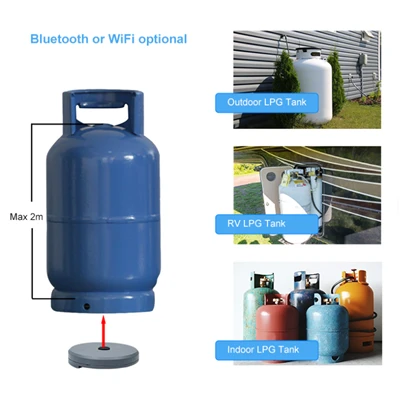
| Install a wireless tank monitor | Smart device attaches to your tank; sends real-time level to your phone with low-tank alerts | Most effective technology - early warning before urgent | $100–$300 one-time |
| Fill your tank in August–September | Order a full tank before heating season; summer prices are 20–30% lower than winter | Saves money + ensures you enter winter with a full tank | Market rate |
| Schedule annual inspection | Have your supplier or a technician inspect the tank, valve, and regulator annually | Catches problems before they cause run-outs | $75–$150/year |
Frequently Asked Questions
Q1: I ran out of propane - can I just fill the tank and use my appliances again?
No - you cannot simply fill your tank and use your appliances after running out of propane. A licensed technician must perform a professional purge and relight before any appliance is used. When your propane tank runs dry, air enters the tank and the entire gas line system. This air contains moisture that causes internal tank corrosion, and the air-propane mixture in the gas lines has different combustion properties than pure propane - it burns at different temperatures, produces different flame characteristics, and can generate elevated levels of carbon monoxide. Lighting your stove or turning on your furnace without first purging the air from the system is dangerous and can cause carbon monoxide poisoning, flame flashbacks, and uneven combustion. A licensed propane technician has specialized equipment to measure gas pressure at each appliance connection, verify correct flame color and combustion efficiency, and confirm that carbon monoxide levels are within safe limits at every appliance. This process typically takes 1–3 hours and costs $150–$400 depending on the number of appliances and whether the service call is scheduled or emergency. Always call your propane supplier first - they will dispatch a technician to perform the purge and relight as part of their emergency service response.
Q2: How much does it cost to fix a ran-out propane tank?
The total cost to fix a ran-out propane tank and restart your system is $300–$1,200 depending on the season, whether it is a weekday or weekend, and whether you need an emergency or scheduled service call. The mandatory propane system purge and gas line bleed costs $100–$250. The appliance relight and combustion check - where a technician individually tests each appliance for safe combustion - costs $50–$150. An emergency delivery surcharge adds $50–$300 if you need same-day or weekend service. A winter peak-season surcharge adds another $50–$200. On top of these service fees, you pay for the new propane fill at current market rates, which are 20–40% higher in winter than in summer. The most cost-effective approach after a run-out is to sign up for your supplier's automatic delivery program - this eliminates the risk of another run-out and the $300–$1,200 emergency cost that comes with it. The annual cost of the automatic delivery program is typically free or minimal, and it pays for itself after preventing even one emergency run-out event.
Q3: Is it dangerous if my propane ran out and I smell gas?
Yes - if you smell propane after your tank has run out, treat it as a genuine emergency and evacuate the home immediately. The smell of propane near your appliances after a run-out can indicate that residual propane vapor is still present in the gas lines, that a valve did not fully close when the tank went dry, or that there is a leak at a connection point when the system is repressurized with new fuel. When you smell propane, do not turn any electrical switches or lights on or off (electrical sparks can ignite propane vapor), do not use your phone inside the home (same ignition risk), do not light any matches or lighters, do not operate any appliances, open all windows and doors to ventilate if it is safe to do so while evacuating, leave the home immediately, and call 911 from outside or from a neighbor's home. Once you are safely outside and have called 911, contact your propane supplier to report the emergency. Your propane supplier has emergency response procedures for exactly this situation. Do not re-enter the home until emergency responders and your propane supplier have confirmed it is safe.
Q4: How long does it take to get propane delivered after running out?
Getting propane delivered and your system restored after running out typically takes 3–8 hours from the moment you make the call, depending on your supplier's current demand, the season, and whether you schedule a standard or emergency delivery. A standard scheduled delivery and purge service during business hours on a weekday can often be arranged within 2–4 hours of your call. An emergency same-day service call during business hours typically arrives within 1–3 hours. During peak winter demand (January–February cold snaps), standard delivery slots fill up quickly and emergency wait times can stretch to 4–8 hours or longer - which means your home may be without heat for an entire day during the coldest weather of the year. This is precisely why prevention is so much better than recovery: ordering propane when your tank reaches 25–30% gives you a 3–5 day delivery buffer that eliminates the emergency entirely. There is no faster way to restore your system after a run-out than to have kept enough propane in the tank that it never happened in the first place.
Q5: How can I make sure I never run out of propane again?
The most reliable way to never run out of propane again is to use a wireless tank monitor combined with automatic delivery from your propane supplier - these two systems work together to give you both technology-based early warning and supplier-managed proactive delivery. A wireless tank monitor (cost: $100–$300) attaches to your propane tank and sends real-time level readings to your smartphone via an app. You set a low-tank alert at 25% and get a notification before the tank reaches a critical level. Automatic delivery (usually free from your supplier) uses your historical usage data and tank monitoring to schedule deliveries automatically before you ever have to think about it. Beyond these systems, develop the habit of checking your tank gauge yourself once a month - technology is reliable, but your own eyes on the gauge are the most direct check available. Finally, fill your tank in late summer (August–September) when propane prices are at their annual low point - this saves 20–30% on fuel cost and ensures you enter the heating season with a full tank and maximum reserve. These three strategies - a tank monitor, automatic delivery, and a summer fill - collectively eliminate the risk of running out of propane for years at a time.
The Bottom Line
If you ran out of propane, do not try to restart anything yourself - call your propane supplier, keep your family warm by layering up and staying together in the warmest room, and wait for a licensed technician to perform the mandatory purge and relight before you use any appliance. The $300–$1,200 emergency cost of a propane run-out is entirely preventable with three simple habits: check your gauge monthly, order at 25–30%, and fill your tank in August–September. A wireless tank monitor and automatic delivery program eliminate the risk almost entirely by giving you early warning and taking the responsibility off your shoulders. After your system is restored, implement these prevention strategies today - the next cold snap will come whether you are ready or not, and the only thing worse than running out of propane once is running out of propane twice.
Last updated: July 2026
Disclaimer: This guide provides general information about what to do if you ran out of propane for educational purposes. Actual costs, response times, and procedures vary by region, supplier, and equipment. In any emergency involving suspected gas leaks or carbon monoxide, call 911 immediately. This guide is not affiliated with, endorsed by, or sponsored by any propane supplier or equipment manufacturer.