What Should I Do if My Gas Gauge Drops Below 20 Percent? Your Propane Level Guide
In this guide: What to do when your propane gauge drops below 20 percent - covering fuel math, delivery timelines, seasonal planning, emergency thresholds, and the complete FAQ for 2026.
What Should I Do if My Gas Gauge Drops Below 20 Percent: Quick Answer
When your propane gas gauge drops below 20 percent, you should order a propane delivery immediately - not tomorrow, not when it drops to 10 percent, but right now while your gauge still shows 20 percent. A 500-gallon tank at 20 percent holds approximately 80–100 gallons of propane, which sounds like a lot but may last as few as 3–5 days in cold weather when heating a medium-sized home. Propane suppliers typically need 2–5 business days to schedule a standard delivery, and emergency deliveries carry fees of $50–$300 on top of your fuel cost. The difference between ordering at 20 percent and waiting until 10 percent is the difference between paying standard delivery rates and paying emergency fees during the coldest, most expensive time of the year. This guide explains exactly how to read your gauge, how to calculate your remaining days of fuel, what to do at every level between 20 and 0 percent, and how to set up a system that prevents you from ever running dangerously low again.
How to Read Your Propane Gauge Correctly
The Most Misunderstood Number on Your Tank
Propane gauges show a percentage of the tank's water capacity - not the number of gallons remaining or the number of days until empty:
| Gauge Reading | What It Actually Means | What Homeowners Think It Means |
|---|---|---|
| 100% | Tank is completely full of propane by water capacity | Tank is absolutely full - maximum reserve |
| 80% | Tank's maximum fill level by DOT/industry safety standard (tanks are never filled above 80%) | Tank has 20% empty space |
| 50% | Half of the tank's water capacity is propane | Half of the propane is gone - getting low |
| 25% | One quarter of tank capacity remaining | Time to order - but not an emergency yet |
| 20% | One fifth of tank capacity remaining - THIS IS YOUR ORDER SIGNAL | Plenty of fuel left - this is not urgent |
| 10% | One tenth of tank capacity remaining - THIS IS AN EMERGENCY | Still some fuel left - not critical yet |
| 5% | Less than a week of fuel in cold weather | Should have ordered already |
The critical misunderstanding: Homeowners often see 20 percent and think they have 20 percent of their propane remaining - as in, they are 80 percent of the way through their tank. This is dangerously wrong. A reading of 20 percent on a 500-gallon tank means approximately 80–100 gallons of propane remain, which in cold weather heating a typical 2,000–2,500 square foot home may last 3–7 days. The gauge is not telling you how much you have used - it is telling you how much space in the tank is occupied by liquid propane. Order at 20 percent, not 10 percent, and never wait until 5 percent.
The Math: How Many Days of Propane Do You Actually Have Left
Calculating Your Real Reserve at Every Gauge Level
The actual number of days of propane remaining depends on your daily consumption rate, which is driven by outdoor temperature, home size, thermostat setting, and which appliances are running on propane:
| Tank Size | Gauge Reading | Approximate Gallons Remaining | Days of Fuel at Moderate Use | Days at High Winter Use |
|---|---|---|---|---|
| 250 gallons | 20% | 40–50 gallons | 4–8 days moderate | 2–4 days cold weather |
| 250 gallons | 10% | 20–25 gallons | 2–4 days moderate | 1–2 days cold weather |
| 500 gallons | 20% | 80–100 gallons | 7–14 days moderate | 3–7 days cold weather |
| 500 gallons | 10% | 40–50 gallons | 3–7 days moderate | 1.5–3.5 days cold weather |
| 1,000 gallons | 20% | 160–200 gallons | 14–28 days moderate | 7–14 days cold weather |
| 1,000 gallons | 10% | 80–100 gallons | 7–14 days moderate | 3–7 days cold weather |
High winter use means: A 2,000 square foot home in a climate where January temperatures regularly drop below 30°F uses 3–6 gallons of propane per day when the furnace runs continuously. At 4 gallons per day, a 500-gallon tank at 20 percent (80 gallons) provides only 20 days of fuel in moderate winter weather - and as few as 6–7 days during a sustained cold snap when the furnace runs almost constantly.
What Happens at Every Gauge Level
From 20 Percent to Empty: The Complete Progression
Knowing what happens at each gauge level helps you take the right action at the right time:
| Gauge Level | Status | What to Do | Risk if You Wait |
|---|---|---|---|
| 30–25% | Comfortable reserve | Plan to order within the next week; check your supplier's schedule | Low - you have time |
| 20–15% | Order signal - order now | Call your supplier and schedule a standard delivery | Moderate - approaching urgency |
| 15–10% | Warning zone | Call your supplier today and request the soonest available delivery | High - delivery wait times are growing |
| 10–5% | Emergency zone | Call your supplier and request emergency delivery NOW | Very high - emergency fees apply |
| 5–0% | Critical - imminent run-out | Emergency delivery only; your home may lose heat within hours to 1–2 days | Extreme - you are one cold night away from a run-out |
The Delivery Timeline Reality
Why Ordering at 20 Percent Is Not Early - It Is Exactly Right
Standard propane delivery is not instant - understanding realistic timelines changes how you think about the 20 percent signal:
| Delivery Type | Typical Lead Time | Cost | When to Use It |
|---|---|---|---|
| Standard scheduled delivery | 2–5 business days | Included with fill | Order at 25–30% before the tank reaches 20% |
| Priority delivery | 1–2 business days | Usually free with automatic delivery programs | Order at 20% and request priority scheduling |
| Same-day emergency delivery | Same day if available | $50–$200 surcharge | Order at 10% when it is already an emergency |
| Weekend / holiday emergency delivery | Same day if driver available | $75–$300 surcharge | Not recommended - expensive and unreliable |
| After-hours emergency delivery | 2–8 hours | $100–$400 surcharge | Last resort - only for genuine emergencies |
The cold snap scenario: In January, when temperatures drop below 20°F for 3–5 days, the entire regional propane supply chain feels the pressure. Every homeowner who waited until their gauge hit 10 percent is calling for emergency delivery at the same time. Delivery trucks get booked out 24–48 hours in advance. The homeowners who ordered at 20 percent get their standard deliveries on schedule. The homeowners who waited are paying $200 emergency fees and going without heat for a day or two. Ordering at 20 percent is not being overly cautious - it is the bare minimum that accounts for realistic delivery timelines.
Seasonal Strategy: Why Summer and Fall Matter Most
The Annual Propane Planning Calendar
The best time to manage your propane level is before you ever see a low gauge reading:
| Season | Propane Price | Supplier Availability | Recommended Action |
|---|---|---|---|
| January–February (peak winter) | Highest ($3.50–$5.00/gal) | Delivery slots fill fast; emergency fees apply | Keep tank above 30%; never let it drop below 20% |
| March–April (post-winter) | Moderate ($2.25–$3.00/gal) | Excellent; no pressure on delivery slots | Good time to assess and compare suppliers |
| May–August (summer) | Lowest ($1.75–$2.50/gal) | Excellent; best delivery availability | Best time to fill up; summer fill programs available |
| September (pre-winter) | Moderate ($2.00–$2.75/gal) | Excellent; good availability | Last chance for pre-winter fill before peak pricing |
| October–November (early winter) | Rising ($2.25–$3.50/gal) | Starting to tighten | Top off tank before heating season peaks |
| December | High ($2.75–$4.00/gal) | Delivery slots filling | Avoid emergency situations; stay above 25% |
The August–September fill strategy: Filling your propane tank in August or September accomplishes two things simultaneously. First, you lock in summer prices - among the lowest propane prices of the year - before the heating season drives prices up 20–40 percent. Second, you enter the heating season with a 100 percent full tank, giving yourself the maximum possible reserve before you ever need to monitor levels again. A 500-gallon tank filled in August at $2.20 per gallon costs approximately $1,100. The same 500-gallon fill ordered as an emergency in January costs approximately $1,700–$2,250 including emergency fees and peak season pricing. That $600–$1,150 difference is the cost of not filling your tank in August.
How to Set Up Automated Prevention
Technology and Programs That Eliminate the Guesswork
You do not have to manually check your gauge and calculate days remaining - these systems do it for you:
| Prevention System | How It Works | What It Prevents | Cost |
|---|---|---|---|
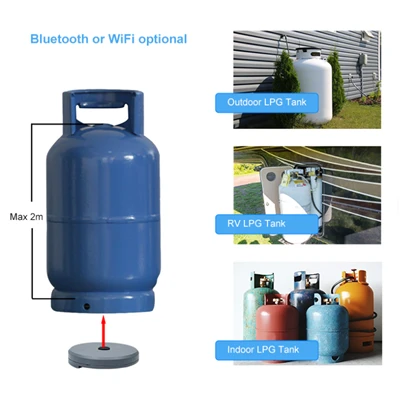
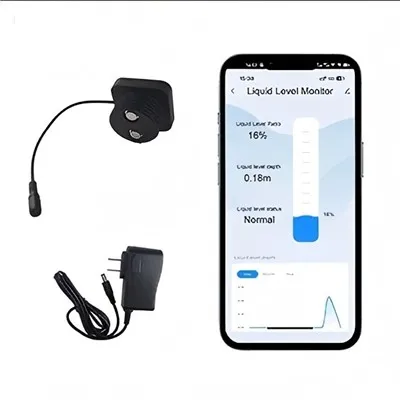
| Wireless tank monitor | Smart device on tank sends real-time level to your phone via app | Alerts you before gauge drops below your set threshold | $100–$300 one-time |
| Automatic delivery program | Supplier tracks your usage and schedules deliveries automatically | Supplier manages the timing - you never run low | Usually free |
| Combination monitor + auto delivery | Tank monitor feeds data to supplier for automatic scheduling | Best of both worlds - technology + supplier responsibility | Usually free or small annual fee |
| Smart thermostat integration | Some smart thermostats estimate propane usage from furnace runtime data | Supplements gauge checking with usage-based estimation | $100–$250 for smart thermostat |
Frequently Asked Questions
Q1: What does it mean when my propane gauge reads 20 percent?
When your propane gauge reads 20 percent, it means your tank contains approximately 20 percent of its water capacity as liquid propane - not that you have used 80 percent of your fuel. This distinction matters because a 20 percent reading on a 500-gallon tank equals approximately 80–100 gallons of propane remaining, which sounds like a lot but may supply a typical home for as few as 3–7 days during cold winter weather when the furnace runs almost constantly. The 20 percent reading is not a signal that you have plenty of fuel left and can wait - it is your final window to order a standard scheduled delivery before the situation becomes urgent. Standard propane deliveries take 2–5 business days to schedule, which means ordering at exactly 20 percent gives your supplier time to fit you into a normal route without an emergency surcharge. Waiting until 10 percent puts you in the emergency zone with emergency fees and longer wait times during the busiest time of year. Order at 20 percent, not 10 percent, and not 5 percent.
Q2: How many days of propane do I have when my gauge reads 20 percent?
The number of days of propane remaining at a 20 percent gauge reading depends on your tank size and your daily consumption rate. A 500-gallon tank at 20 percent holds approximately 80–100 gallons. If you are heating a typical 2,000–2,500 square foot home in moderate late-fall or early-spring weather, your furnace uses approximately 1–2 gallons of propane per day, giving you 40–100 days of fuel. But in deep winter when temperatures stay below 25°F for days at a time, the same home uses 4–6 gallons per day, giving you only 13–25 days. During a sustained cold snap - 3–5 days below 15°F - your furnace may run nearly continuously and burn 6–8 gallons per day, reducing your 20 percent reserve to as few as 10–16 days. The takeaway is this: at 20 percent in any season other than peak winter, you have plenty of time to order a standard delivery. At 20 percent in January or February during a cold snap, you are closer to an emergency than you think. Always check the weather forecast and order immediately if cold weather is coming.
Q3: Should I call my propane supplier at 20 percent or wait until it gets lower?
Call your propane supplier at 20 percent - waiting is one of the most common and costly mistakes propane homeowners make. When your gauge reads 20 percent, you have approximately 80–100 gallons on a 500-gallon tank, and your supplier has 2–5 business days of lead time for a standard delivery. Calling at 20 percent gives you access to the cheapest, most reliable delivery option - a standard scheduled delivery included in your fuel cost with no surcharge. When your gauge reads 10 percent, you have approximately 40–50 gallons left on a 500-gallon tank and are in the emergency zone. Your options at 10 percent are limited to emergency delivery with a $50–$300 surcharge and the possibility that your supplier's emergency slots are already booked by other homeowners who also waited too long. The cost difference between a standard delivery ordered at 20 percent and an emergency delivery ordered at 10 percent is $100–$400 in service fees alone, plus the premium you pay when propane prices spike during peak winter demand. Order at 20 percent every time.
Q4: Is it bad to let a propane tank run below 20 percent?
Yes - letting a propane tank run below 20 percent is a risk that grows with every percentage point the gauge drops. Below 20 percent, your margin for error narrows rapidly: a sudden cold snap increases your daily consumption by 30–50 percent and burns through your remaining reserve much faster than you anticipated, a delivery delay - even a 24-hour delay during peak season - can leave you running on fumes, and running completely empty introduces the $150–$500 purge fee, the air-moisture damage risk to your tank, and the safety hazard of a system restart with air in the gas lines. The tank itself is not harmed by being at 20 percent - the steel walls and internal components are designed to operate safely at any fill level. What is harmed is your margin of safety against the variables that make propane management unpredictable: weather, delivery delays, and unexpected extended heating demand. Keep your tank above 20 percent at all times, and never let it drop below 10 percent.
Q5: What is the cheapest time of year to fill my propane tank?
The cheapest time of year to fill your propane tank is during late summer, specifically August and September, when propane prices reach their annual low point due to low seasonal demand. Summer fills are typically 20–40 percent less expensive than winter peak prices - a 500-gallon tank filled in August at $2.20 per gallon costs approximately $1,100, while the same tank filled as an emergency in January at $3.75 per gallon plus a $200 emergency delivery surcharge costs approximately $2,075. The $975 difference is the cost of not filling your tank in August. Beyond the fuel price savings, August and September also offer the best delivery availability - suppliers have open slots on their delivery routes, so you can schedule a standard delivery without any urgency or premium fees. The August-September fill strategy works best when combined with wireless tank monitoring and automatic delivery: fill the tank completely before winter, let the automatic delivery program manage mid-season refills, and never pay peak-season propane prices again.
The Bottom Line
When your propane gas gauge drops below 20 percent, order a delivery immediately - that 20 percent reading is your last window for a standard, affordable scheduled delivery, and waiting even a day or two can push you into emergency territory with $50–$300 surcharges and wait times that can leave your home without heat in freezing weather. The math is straightforward: a 500-gallon tank at 20 percent holds 80–100 gallons, which may last 3–7 days during a cold snap but up to 2–3 weeks in moderate weather. Standard deliveries take 2–5 business days to schedule, which means the gap between your order and your delivery could consume most or all of your remaining reserve if you wait too long. Set up a wireless tank monitor to get real-time level alerts, sign up for automatic delivery so your supplier manages the timing, and fill your tank in August or September before heating season begins. These three steps - a tank monitor, automatic delivery, and a summer fill - eliminate the stress of watching your gauge drop and ensure you never find yourself at 10 percent on a Saturday night in January.
Last updated: July 2026
Disclaimer: This guide provides general information about what to do when your propane gauge drops below 20 percent for educational purposes. Actual days of remaining fuel, delivery timelines, and pricing vary by region, season, tank size, and supplier. Always consult your propane supplier for delivery scheduling and emergency procedures. This guide is not affiliated with, endorsed by, or sponsored by any propane supplier or equipment manufacturer.