What to Do When You Run Out of Propane in Cold Weather
Last January, I woke up at 6 AM to find my house at 48°F. The furnace had died sometime overnight, the kitchen was freezing, and the pilot light on the water heater was out. I'd run out of propane - again. It wasn't the first time, and honestly, it was embarrassing. I live in a rural area, the propane company is 40 minutes away, and getting a refill on a Sunday morning in sub-freezing temperatures was not going to be quick or cheap.
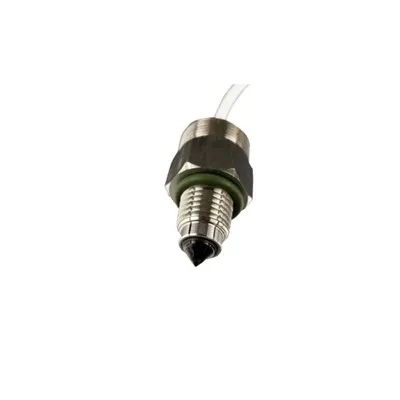
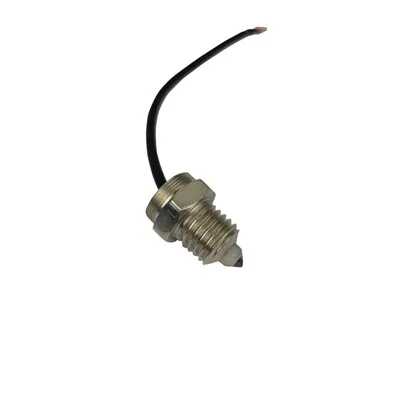
That incident was the final push I needed to actually do something about it. Not just "be more careful" - I wanted a real system. What I found was the Smart LPG2412-BT ultrasonic liquid level sensor, and after using it through the rest of the winter, I want to share what actually happened, what I learned, and whether something like this is worth it for you.
Why Propane Runs Out at the Worst Possible Time
Here's the thing nobody talks about until it happens to them: your propane tank doesn't suddenly get empty. It creeps. You use it every day, the level drops, and unless you're checking the gauge constantly - or you have a teenager who's obsessed with checking it - you won't notice until your furnace stops working.
The problem gets worse in cold weather for two reasons. First, propane efficiency drops in the cold. The same tank that kept you comfortable all fall suddenly feels like it's running twice as fast once temperatures drop below freezing. Second, when you do run out, the consequences are immediate: no heat, no hot water, and depending on your stove, no cooking either. For families with kids, that's not an inconvenience - it's a safety issue.
In my case, I have a 250-gallon above-ground tank. I thought I was checking it often enough. I wasn't. The tank has a gauge, but honestly, I couldn't tell you what a "good" reading looked like versus a "this is about to die" reading. Numbers on a gauge never felt urgent. It was always something I meant to deal with "this weekend."
The Moment I Decided to Stop Guessing
After that Sunday morning emergency, I called my propane supplier and paid $75 for an emergency delivery on a weekend. The driver was great, but he also told me something that stuck: "Most of my emergency calls in winter are from people who just didn't know." He wasn't being condescending - he was being honest. He said the smart sensors were becoming really popular, especially for customers with bigger tanks.
So I started researching. I looked at a few options, but kept coming back to the Smart LPG2412-BT from EPT Technology. It checked the boxes I cared about: Bluetooth setup (no complicated hub or subscription fees), works with a dedicated app called TankIOT, and monitors the actual liquid level in the tank using ultrasonic technology rather than just estimating based on pressure. It even supports email alerts when levels get low.
I ordered one for about $45 online. I'll be honest - I expected it to be complicated to set up. It wasn't.
Setup: What Actually Happens When You Open the Box
The first thing you do is scan a QR code in the instruction sheet and download the TankIOT app. That part took maybe two minutes. The app is free, no account required at the start, and it immediately prompts you to add a device.
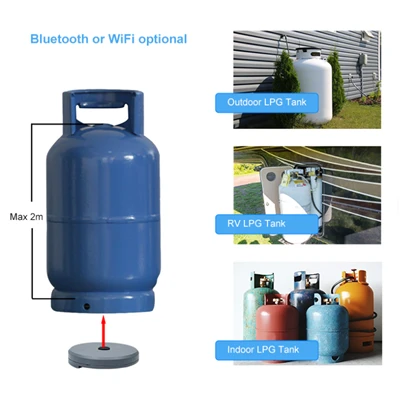
From there, you pair it over Bluetooth. The sensor itself - the Smart LPG2412-BT - is compact. It's an ultrasonic level sensor that you mount directly onto your propane tank. The installation instructions walk you through applying a coupling agent (basically a conductive gel that comes with the unit) to the black silicone probe on the sensor, then pressing the sensor firmly against the tank surface. The sensor's protruding part needs to be in solid contact with the tank - that's what allows the ultrasonic signal to read accurately.
I have to admit: I was worried about the physical installation. My tank is outdoors, exposed to the elements, and I didn't want to drill anything or permanently modify the tank. The good news is you don't have to. The sensor adheres to the tank surface, and the whole process took me about 20 minutes including reading the instructions twice. The app even has a gyroscope feature that shows you whether the sensor is level during installation - a small detail that I appreciated because I am not someone who naturally hangs things straight.
Once the sensor is mounted, you go back into the TankIOT app and configure your tank. You select the container type (vertical cylindrical for propane tanks), confirm the detected medium is gas, and then enter your tank's dimensions. The app converts the physical measurements into an estimated volume. You also set your high and low alarm thresholds - I set mine to alert me at 30% so I have plenty of time to schedule a refill before things get critical. The upper limit alarm defaults to 100%, and the lower limit to 0%, so you can customize from there.
The sensor runs on a CR2032 coin battery. The spec sheet says about one year of service life per battery. That's reasonable, and the battery is a standard type you can find anywhere. I'll probably set a calendar reminder to check it every 10 months or so.
What the App Actually Shows You
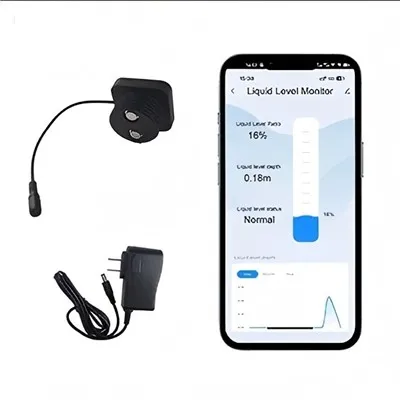
Once you're set up, the main dashboard - the Tank Level Monitor page - shows you four things in real time:
Current liquid level depth (in meters, centimeters, inches, or feet - your choice)
Percentage of tank capacity remaining
Whether an upper or lower limit alarm has been triggered
Estimated liquid volume based on your tank's dimensions
You can access historical data and adjust settings anytime from the gear icon. There's also an email alert feature for high and low liquid levels, which is the feature I was most interested in. I set up the low-level alert to send to both my phone and my wife's phone. On a Tuesday afternoon in February, I got an email notification that my tank had dropped to 28%. I scheduled a refill that same day, and it arrived on Thursday before the weekend. No panic. No emergency call. No frozen pipes.
The Real Cost: What You're Actually Investing
Here's a breakdown of what this costs if you go the smart sensor route:
| Item | Cost |
|---|---|
| Smart LPG2412-BT sensor | $40 – $55 |
| TankIOT app | Free |
| CR2032 battery (annual replacement) | $3 – $5 |
| Professional installation (optional, if you're not comfortable DIY) | $50 – $100 |
| Basic refill (varies by region and tank size) | $2 – $4 per gallon |
The sensor itself is a one-time purchase. There's no monthly subscription for the app and no hub required. Compare that to some of the smart home propane monitoring systems that charge $10–$15 per month, and the math becomes obvious pretty quickly.
My total out-of-pocket for the sensor was about $48, plus I spent $15 on a tube of the coupling adhesive (in case I need to reseat the sensor at some point). The first time it prevented an emergency delivery charge of $75, it had already paid for itself.
Insurance Discounts: A Hidden Benefit Worth Asking About
This is something I didn't expect to find, but several propane companies are actually partnering with smart tank monitoring providers. If you have a system that gives you real-time level data and alerts, some insurers and propane suppliers will offer a premium discount or priority service agreement. It's worth calling your propane supplier and your insurance agent to ask specifically - many people don't know to ask, so they don't offer it unprompted. The discount amounts vary, but even $25–$50 off an annual premium or a waive on the tank rental fee adds real value on top of the cost of the sensor itself.
Cold Weather Performance: Does It Hold Up?
I want to be honest about this because it's the question I cared about most before buying. My tank is outside. In January and February, we had several nights below 10°F. The Smart LPG2412-BT is rated for operating temperatures from -10°C to +55°C (that's 14°F to 131°F), which covers the full range of temperatures I'd encounter in my area.
I did have one moment of worry in mid-February when the app briefly showed no reading for about 20 minutes. I restarted the Bluetooth connection on my phone and the reading came back immediately. Looking at the troubleshooting guide, if the sensor can't detect distance, you're advised to check that the coupling agent on the probe is still making full contact, and if needed, exit and reconnect the app. I added a tiny bit more of the coupling gel just to be safe, and it's been rock solid since.
The Bluetooth range is sufficient - I can check my tank level from inside my kitchen, which is about 40 feet from the tank with one wall in between. If your phone is closer to the tank, you'll have no issues at all.
If You're On the Fence: My Honest Take
If you've ever run out of propane unexpectedly - especially in cold weather - you already know how disruptive and expensive it can be. The Smart LPG2412-BT won't prevent you from running out entirely (you still have to schedule the refill), but it removes the guessing game entirely. For the first time in years, I know approximately how many days of propane I have left at any given moment.
If you have the budget, this kind of proactive monitoring is a no-brainer. It costs less than one emergency delivery, it takes 20 minutes to install, and the TankIOT app is straightforward enough that even the least tech-savvy person in your household can check the tank level. The email alert feature alone is worth the price - it means you're getting notified before the tank hits empty, not after.
If budget is tight and you're choosing between the sensor and something else, I'd say prioritize it if you rely on propane for heating. If it's just for a grill tank or a secondary appliance, a basic pressure gauge might be enough for now. But for anyone with a home propane setup - especially in a climate with real winters - this is one of those small investments that pays off in peace of mind.
Here's one more thing worth mentioning: once you start using the app, you'll actually develop a feel for your consumption patterns. By February, I knew that my 250-gallon tank dropped about 8–10% per week during the coldest part of winter, and about half that in milder weather. That kind of pattern recognition is impossible when you're just checking a gauge every couple of weeks. Now I can look at the app and say, "Okay, we're at 35%, we have maybe 10 days before we need to call." That's not a guess - that's data.
Don't wait until you're waking up in a cold house. Check your tank level today, and if it's lower than you'd like, make that call. The propane company is open tomorrow. And if you want to make sure you never have to make that emergency Sunday morning call again, the Smart LPG2412-BT is a solid place to start. It's the kind of upgrade that seems small until you need it - and then you wonder why you didn't do it years ago.