What to Do If You Run Out of Propane: Expert Advice
I'll never forget that Sunday morning last January. I stepped into the shower at 7 AM, ready to start a project in the garage, and - nothing. Not even a trickle of warm water. My 500-gallon propane tank had gone dry overnight, and of course the refill company couldn't come until Tuesday. I spent the next two days taking cold showers and heating water on the stove just to do the dishes. That whole experience taught me more about propane than five years of quietly ignoring the tank in my backyard ever had.
If you've ever found yourself in a similar situation - or you're trying to avoid ever being in one - this guide is for you. I talked to a propane technician, did way too much reading online, and learned the hard way so you don't have to. Here's everything you should know about what happens when your propane runs out, what your options are, and how to keep it from happening again.
Why Propane Tanks Run Dry (It's Not Just About Cold Weather)
Most people assume they run out of propane only during winter, when heating demand spikes. That's definitely a factor, but it's not the whole story. In my case, it was a slow leak I never noticed - the gauge showed maybe 20% left, which seemed fine, but the tank was actually losing pressure faster than it should have been.
Other common reasons tanks run dry:
Neglecting the gauge. A lot of homeowners genuinely don't know their tank has a gauge, let alone how to read it. It's a small dial on the tank itself, and once it drops below 20%, you're cutting it close.
Running multiple appliances simultaneously. If you're heating your home, running the water heater, and using the stove all at the same time, a smaller tank can deplete much faster than you'd expect.
Phantom usage. Some older appliances draw a small, continuous "pilot light" pull even when they're not actively in use. Over a season, this adds up.
Old or damaged tanks. Tanks older than 10–12 years start developing micro-corrosion that can affect both capacity and pressure. If you've moved into a house with an older tank, it's worth getting it inspected.
The key thing I learned: propane companies typically won't do an emergency fill if your tank is below a certain level or if the tank itself doesn't pass a safety inspection. So knowing the condition of your tank matters just as much as watching the gauge.
First Things First: Safety Before Anything Else
I need to be direct here. If your propane runs out and you've been running propane-powered appliances - especially a furnace or water heater - there's one critical step before you do anything else: turn off all your propane appliances and the gas valve on the tank itself. An empty tank can pull in air and moisture, which leads to rust buildup inside and, more dangerously, creates a potential gas leak situation when you refill.
Once you've confirmed everything is shut off safely, call a licensed propane technician before you even think about turning the system back on. Many propane companies offer a safety relight service - they'll send someone out to check your system, purge the lines of any air or moisture, and reignite your appliances safely. This typically costs between $100 and $250 depending on your location and how many appliances need to be relit.
I know it's tempting to just call the refill company and ask them to fill it up, but please don't skip the safety check. The one time I tried to shortcut this process, I ended up with a sulfur smell in my house for three days because the regulator hadn't equalized properly. Not fun, not safe.
Your Options When the Tank Goes Dry
So the tank is empty. What now? You generally have four paths forward, and the right one depends on your setup, your budget, and how quickly you need to get back up and running.
Option 1: Emergency Refill and Relight
If you have a regular tank exchange service (like AmeriGas, Paraco, or Ferrellgas), you can typically get a same-day or next-day delivery if you call early enough. For a 500-gallon residential tank, expect to pay anywhere from $2.50 to $4.00 per gallon depending on current market prices and your location. Most households use 200–300 gallons per year for heating alone, so a full 500-gallon fill can run $500–$1,200 at current rates.
The relight service is usually bundled in if you're an existing customer, or charged separately if you're new. Ask about it upfront - it's one of those things companies don't always mention unless you specifically ask.
Option 2: Rent vs. Own - Does It Actually Matter?
A lot of people don't realize that propane tanks can either be owned outright or rented from the supplier. If you rent, the company owns the tank, maintains it, and is responsible for inspections. That sounds convenient, but here's the catch: your choice of propane supplier is limited to whoever owns the tank. You're locked in.
If you have the budget to buy your own tank (a new 500-gallon tank runs roughly $1,500–$3,000 installed, depending on whether it's above or below ground), you open up the ability to shop around for propane providers. I switched to owning my own tank after the cold-shower incident, and while the upfront cost was significant, I've already saved money over three years because I can switch providers when prices spike.
If you go the rental route, read the contract carefully. Some rental agreements haveclauses that make it surprisingly difficult to cancel, and annual tank rental fees can run $30–$60 per year on top of your fuel costs.
Option 3: Automatic Delivery - the Lazy (but Smart) Option
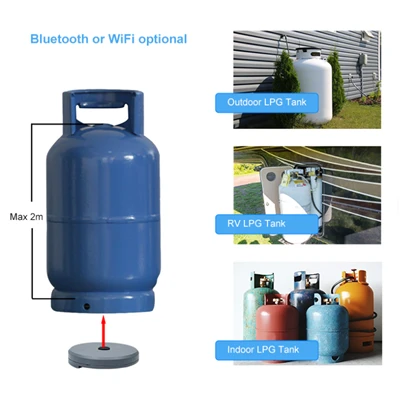
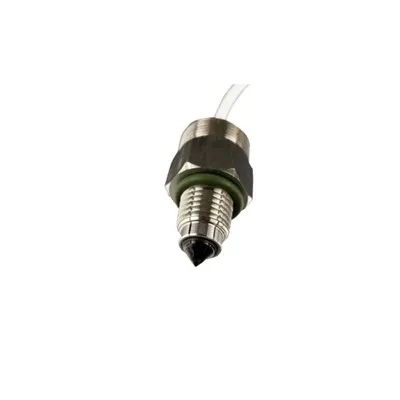
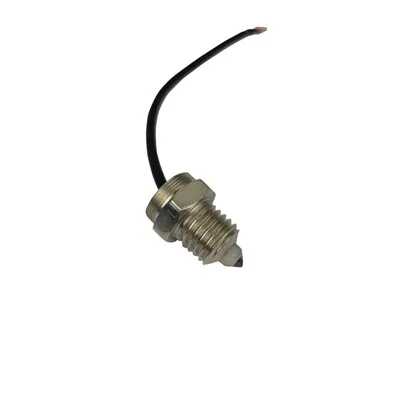
This is the thing I wish I'd set up years ago. Most propane companies offer automatic delivery, where they monitor your tank's gauge remotely (via a smart monitor like the Smart Tank Gauge or a similar device) or simply schedule deliveries based on your historical usage and the weather. When your tank hits around 20–30%, they show up and fill it without you having to call.
I pay about $50/year for a tank monitor system that sends an alert to my phone when the level drops below 25%. Combined with automatic delivery, I haven't had to think about propane in over a year. It's genuinely one of those "why didn't I do this sooner" upgrades.
Option 4: Switching to an Alternative
For some households, running out of propane repeatedly is a sign that it's time to consider an alternative. Natural gas is the most common switch, but it requires a new line installation that can cost $5,000–$15,000 depending on your distance from the nearest main. Electric heat pumps are another option - more efficient in moderate climates, though they struggle in truly cold regions without backup heat.
I'll be honest, I haven't switched. Propane still makes sense for my rural property where natural gas lines don't reach, and my annual costs are manageable once I stopped running the tank to empty every winter. But I completely understand why people make the switch, and if you're on your third emergency fill in a single heating season, it's worth running the numbers.
The Valve Situation: One Detail That Cost Me $300
Here's something nobody tells you until it costs you money. Propane systems have two main types of valves - excess flow valves (EFVs) and manual valves - and the difference matters more than you'd think.
An EFV is designed to automatically close if there's a sudden, large leak (like a broken line). It's a safety feature, but it has a catch: when your tank runs completely empty, air and debris can get into the line and cause the EFV to malfunction or fail. If your EFV is old or already worn, running the tank dry can actually damage it permanently. Replacing an EFV on a 500-gallon tank typically runs $150–$350 in parts and labor.
Manual valves are more straightforward but require you to physically close them when not in use, which is a pain and easy to forget. The setup I ended up with uses a combination valve system with a reliable manual shutoff and a newer EFV that my technician recommended: the Rego 7580 series (roughly $85–$120 depending on the retailer). I also had him replace the old Meco M900 connector that came with the house - it was showing signs of wear and the rubber was starting to crack. A new connector ran about $40.
This is one of those areas where spending a little money upfront on quality components saved me from a much bigger headache later. If you're buying or inheriting a property with a propane system, ask when the valves and connectors were last replaced. If the previous owner can't tell you, assume it's been over 10 years and budget for an inspection.
What About Propane Cost and Insurance?
Propane prices fluctuate significantly by region and season. In my area (Mid-Atlantic), I've seen prices swing from $2.89/gallon in spring to $4.50/gallon during a cold snap in February. Budget customers lock in a fixed price for a year, which can save you money if prices spike - but you also don't benefit if prices drop.
One thing I discovered by accident: some homeowner's insurance policies actually offer discounts if you have propane, because propane appliances are often seen as lower-risk for certain types of incidents than other fuel sources. It's worth calling your insurance agent and asking. I got a 5% discount on my premium just by mentioning I had a professionally inspected propane system. It added up to about $35/year - not life-changing, but it helped offset the cost of the tank monitor.
Also worth noting: if you're buying a home with a propane system, make sure you get the tank inspected as part of your home inspection. Propane tanks are often excluded from standard home warranties, and a corroded or improperly installed tank can be a $3,000–$5,000 surprise expense in your first year.
The Moment of No Return: What Running Dry Actually Damages
I want to be really clear about this because I think a lot of people underestimate it. Running a propane appliance with no fuel in the tank isn't just an inconvenience - it can actually damage your equipment.
The biggest risk is your regulator, which controls the pressure of propane flowing from the tank to your appliances. When a tank runs empty, the regulator can lose its "seat" - essentially, the pressure balance gets thrown off. Symptoms include hissing sounds, yellow instead of blue burner flames, and appliances that won't light or keep shutting off. Repairing or replacing a bad regulator runs $150–$400 depending on the model and labor.
Your appliances themselves can also suffer. A water heater or furnace that's running on low propane can soot up, which over time damages the combustion chamber. I've heard of people needing to replace a water heater that was only five years old because repeated low-fuel conditions caused internal corrosion.
Real Usage Scenarios: What Actually Works
Let me ground all of this in what it actually looks like in practice.
Scenario 1: You're on a fixed budget and the tank just went dry. Call your propane company and ask about their budget billing plan - many offer equal monthly payments spread across the year so you're not hit with a $800 bill in January. Also ask about their "will-call" vs. "automatic" pricing difference. Sometimes automatic delivery customers get a lower per-gallon rate because the company can plan their routes more efficiently.
Scenario 2: You're buying a home with a propane tank. Get a professional inspection before closing. Budget $150–$300 for a full inspection that covers the tank, lines, valves, and all appliances. Also find out if the tank is rented or owned - if it's rented, find out what the transfer process looks like and whether the current provider has a minimum purchase commitment.
Scenario 3: You want to avoid ever running dry again. Install a tank monitor. The Smart Tank Gauge by Flismo (around $149) works with most major brands and sends push notifications to your phone when the tank drops below your chosen threshold. Combined with automatic delivery from your propane company, it's about as hands-off as it gets. Yes, there's a monthly subscription (usually $8–$10/month), but compare that to even one emergency fill at premium winter rates and it pays for itself quickly.
Scenario 4: You're off-grid and rely on propane as your primary fuel. Consider having two tanks so you can switch over and refill one without losing service. Dual-tank setups also let you compare prices between fills, since you can wait for a better market rate on the second tank while running on the first. For a cabin or off-grid setup, a pair of 100-pound cylinders (like the Manchester 100 lb propane tank, roughly $350–$450 each when filled) can be a more manageable scale than a large residential tank.
The Bottom Line
Running out of propane is one of those situations that feels avoidable in hindsight but happens to a surprising number of homeowners. The single best thing you can do - and I cannot stress this enough - is to install a tank gauge monitor and set up automatic delivery. Yes, there's a cost, and yes, it requires a small amount of trust in your propane company. But the alternative is cold showers, emergency delivery fees, and the very real possibility of damaging your regulator or appliances.
If you're on a tight budget and can't justify the upfront cost of a tank monitor right now, at minimum check your gauge every two weeks during heating season and call for a refill when you hit 25%. And for the love of everything, don't ignore the gauge - that little dial on top of your tank is the only thing standing between you and that Sunday morning I spent shivering in my garage.