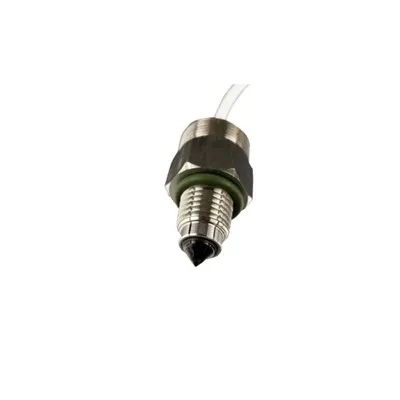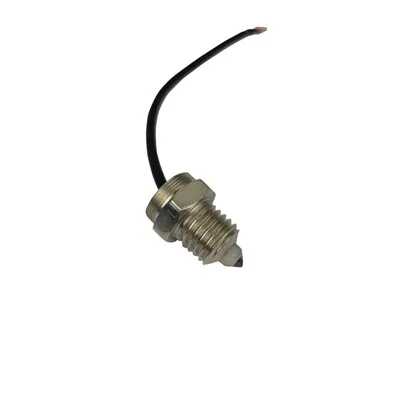
What sensor is used to measure high-temperature liquid
Measuring the temperature of a high-temperature liquid sounds simple-until you meet the realities: extreme heat, splashing, pressure, corrosive chemistry, fast process changes, and sensors that drift or fail if installed incorrectly. The "right" answer depends on the liquid (oil, molten salt, molten metal, acids), the temperature range, required accuracy, and whether you can touch the fluid or must read it from a distance. If you're asking, "What sensor is used to measure high-temperature liquid?", the short practical list is: thermocouples, high-temperature RTDs, and infrared sensors-with the correct protection and mounting.
The main sensors used for high-temperature liquids (and when to use each)
1) Thermocouples: the workhorse high-temperature liquid sensor
A thermocouple is the most common temperature monitoring device for hot liquids because it tolerates very high heat, is rugged, and responds quickly. For many industrial applications, a thermocouple is the default high temperature liquid temperature sensor.
Typical use cases
Furnace baths, quench tanks, heat-transfer loops
Hot oil systems (with correct sheath materials)
Molten salt systems (with appropriate alloys)
Foundry processes and thermocouple for molten metal setups
Why it's chosen
Very wide temperature range (especially Type K, N, and platinum types like R/S/B for extreme heat)
Strong high temperature sensor response time when properly immersed and built with low thermal mass
Cost-effective and easy to replace
Key design notes that matter
Use a mineral insulated thermocouple cable (MI cable) for stability at high temperatures, better vibration resistance, and a compact, durable build.
Select sheath and insulation compatible with the liquid (more on corrosives below).
Understand the accuracy of thermocouple at high temperatures: thermocouples can drift with time at elevated temperatures, especially in oxidizing atmospheres or with contamination. They're excellent for control, but periodic calibration checks are smart for critical measurement.
2) RTDs: higher accuracy for hot fluids (within their limits)
An RTD (Resistance Temperature Detector) is often the best choice when you want higher accuracy and long-term stability-provided your temperature isn't beyond the RTD's practical limits. In many plants, an RTD sensor for hot fluids is preferred for precision control in hot liquid loops.
Where RTDs shine
Hot water, thermal fluids, and many oils
Processes needing better repeatability than many thermocouples
Applications where drift over time is unacceptable
Trade-offs
RTDs are generally limited to lower maximum temperatures than some thermocouple types.
They can be slower if packaged in heavy protection.
They may be more fragile under severe vibration or thermal shock.
Thermocouple vs RTD high temperature: a quick rule
Choose a thermocouple when temperatures are very high, change rapidly, or conditions are harsh.
Choose an RTD when accuracy and stability matter most and the temperature is within the RTD's safe operating range.
Contact vs non-contact: do you need immersion?
Immersion probes (contact): best for true bulk-liquid temperature
If you need the temperature of the liquid itself (not the container wall or surface), you usually want an immersion temperature probe high heat design. This is often a thermocouple or RTD in a metal sheath inserted into the flow or bath.
Best practices
Place the sensing tip in the main flow, away from walls and dead zones.
Ensure sufficient insertion depth to avoid heat conduction errors from the mounting point.
Use strain relief and proper routing to avoid cable damage near hot equipment.
Infrared (non-contact): useful when you can't touch the liquid
Infrared temperature measurement liquid surface is a valuable non-contact sensor alternative to immersion probe when immersion is unsafe, mechanically impossible, or contamination must be avoided.
Where IR works well
Monitoring a visible liquid surface in a ladle or open bath
Situations with extreme temperatures that destroy immersion hardware
Fast scanning or multi-point monitoring
Limitations to understand
IR reads surface temperature, not necessarily bulk temperature.
Emissivity changes (oxidation, slag, steam, reflections) can cause error.
You need a clear line of sight; windows must be kept clean and rated for heat.
Application-focused guidance (common "high heat liquid" scenarios)
Best temperature sensor for oil fryer and hot cooking oil
For commercial and industrial fryers, a thermocouple or RTD probe is common, but the "best" depends on control requirements:
Thermocouple: fast response, robust, cost-effective.
RTD: tighter accuracy for consistent product quality.
Use a food-safe sheath and mount where it measures circulating oil-avoiding direct contact with heating elements to prevent false high readings. If you're searching for the best temperature sensor for oil fryer, focus as much on probe placement and sheath selection as the sensor type.
How to measure molten salt temperature
If you're asking how to measure molten salt temperature, treat it as both a heat and corrosion problem. Molten salts can be highly aggressive to common stainless steels at elevated temperatures.
Thermocouples are commonly used, often with specialized high-nickel alloys or ceramic protection.
Expect maintenance planning: protective tubes, inspection schedules, and drift checks.
Thermocouple for molten metal (aluminum, steel, etc.)
Molten metal measurement is among the harshest jobs:
Use high-temperature thermocouple types suited to the range.
Use expendable tips or heavy-duty protection depending on immersion time.
Protect against thermal shock and chemical attack from slags/fluxes.
Choosing materials: the hidden "sensor" that decides success
Many failures blamed on the sensor are actually sheath/installation issues. For a temperature sensor for corrosive liquids, select materials based on chemistry and temperature:
Stainless steels: good general use, but not universal at high temp
High-nickel alloys: better for many hot corrosive services
Ceramics: excellent heat resistance, brittle, installation-sensitive
Use a protective thermowell (when appropriate)
A protective thermowell for high temperature liquids isolates the sensor from pressure, velocity, corrosion, and abrasion. It also allows replacement without draining the system.
Thermowell trade-offs
Adds thermal lag (slower response)
Must be mechanically designed to avoid vibration/fatigue in high-velocity flow
Requires correct immersion length for accurate readings
How to choose high temperature probe: a practical checklist
When deciding how to choose high temperature probe hardware, match the sensor, packaging, and installation to the process:
Temperature range: peak and continuous temperature (not just normal operation)
Fluid chemistry: oxidation, chlorides, molten salts, acids, fluxes
Flow conditions: velocity, turbulence, abrasion, pressure
Required accuracy: control vs custody/quality documentation
Response time: how fast must the reading track real changes? (consider high temperature sensor response time end-to-end: probe + thermowell + installation)
Maintenance plan: calibration checks, replacement frequency, accessibility
Electrical noise and wiring: shielding, grounding, and correct extension wire for thermocouples
Takeaway: the best sensor is the one matched to heat + chemistry + installation
So, what sensor is used to measure high-temperature liquid? Most often: a thermocouple in a properly selected sheath (frequently MI construction), sometimes an RTD when accuracy and stability are paramount, and sometimes infrared when contact isn't possible. In practice, your "best" high-temperature liquid sensor is determined as much by protection (thermowells, coatings, ceramics) and placement as by whether you choose thermocouple or RTD. If you specify the liquid, temperature range, and whether immersion is allowed, you can narrow it quickly to a reliable, maintainable solution.
Estimated word count (article body only): ~990 words.