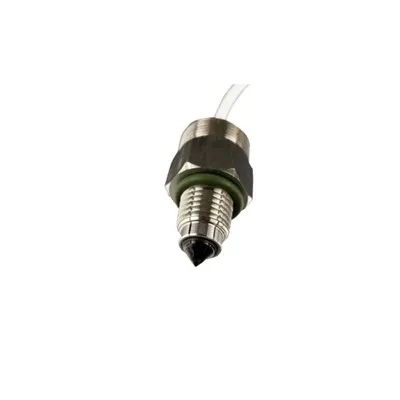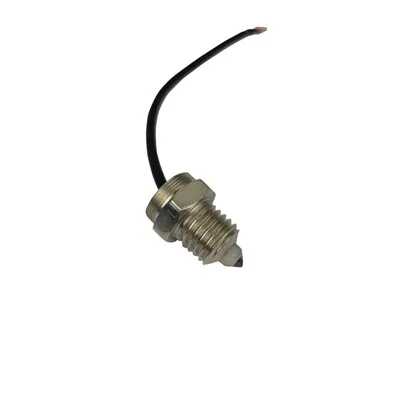
Wireless Tank Level Measurement
Wireless tank level measurement helps teams see what is happening inside tanks without manual dip checks, ladder climbs, or guesswork. Designed for sites that need reliable tank level monitoring across one tank or many, this solution combines field-mounted level sensing, wireless communication, and easy-to-read reporting so you can make faster decisions about inventory, refills, overflow prevention, and maintenance.
Whether you manage water, wastewater, fuels, chemicals, lubricants, agricultural liquids, food-grade materials, or industrial process storage, wireless visibility gives your team a safer and more efficient way to track levels from anywhere.
Built for Practical Tank Visibility
Manual level checks take time, introduce safety risks, and often leave gaps between readings. A wireless system helps close those gaps by providing regular tank level detection data without requiring staff to physically inspect each asset.
Use it to:
Monitor remote, hard-to-access, or unmanned tanks
Reduce unnecessary site visits and manual readings
Help prevent stockouts, run-dry events, and overfills
Improve delivery planning and replenishment schedules
Support compliance, reporting, and operational accountability
Give managers, operators, and service teams a shared view of tank status
The result is simple: better information, fewer surprises, and more control over your stored liquids or bulk materials.
How the System Works
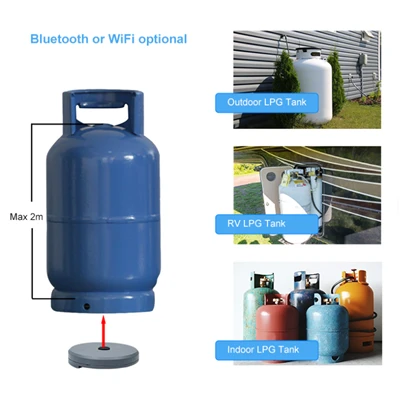
A typical wireless tank level measurement setup includes a sensor installed on or in the tank, a wireless transmitter, and a platform for viewing readings. Depending on the application, the sensing technology may be selected for the tank shape, material, contents, operating environment, and accuracy requirements.
Once installed, the system collects level data at configured intervals and sends it wirelessly to a dashboard, gateway, or integrated system. Users can then view tank levels, trends, alerts, and historical data without needing to be on site.
This makes the product a strong fit for single-locati0n facilities, distributed tank farms, field operations, farms, utilities, manufacturers, fuel distributors, and service providers managing tanks across multiple customer locations.
Key Features
Wireless Data Transmission
Reduce cable runs and simplify deployment with wireless communication options designed for industrial and remote monitoring environments. Wireless connectivity makes it easier to add monitoring to existing tanks without major infrastructure changes.
Real-Time and Scheduled Readings
Track level changes on a schedule that fits your operation. Configure readings for routine inventory checks, critical process monitoring, or alert-based response.
Remote Dashboard Access
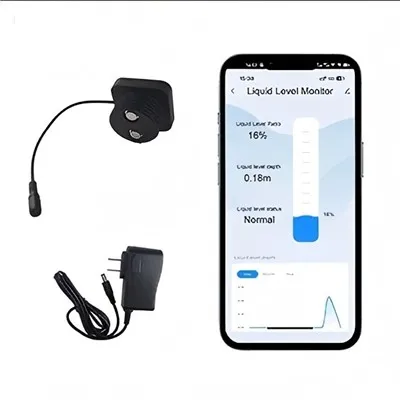
View tank levels from a computer, tablet, or mobile device when supported by the selected platform. Give your team convenient access to current readings, tank history, and status alerts.
Configurable Alerts
Set notifications for high level, low level, rapid level change, refill requirements, potential overflow risk, or unexpected usage patterns. Alerts help teams respond before small issues become expensive problems.
Flexible Sensor Options
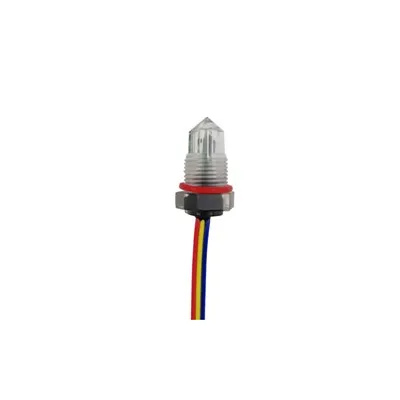
Choose a sensing approach based on your tank and material requirements. Options may include non-contact, pressure-based, ultrasonic, radar, or other compatible technologies depending on the application.
Multi-Tank Monitoring
Monitor one tank now and scale to more as your operation grows. A centralized tank level monitoring platform helps simplify management across locations, product types, and users.
Historical Trends and Reporting
Use historical tank data to understand consumption patterns, improve route planning, forecast demand, and document activity. Better trend visibility can support purchasing, production, logistics, and service planning.
Designed for Harsh Environments
Industrial tank level detection often requires equipment that can withstand demanding conditions. Available configurations may support outdoor installations, dust, moisture, temperature changes, and application-specific exposure concerns.
Benefits That Improve Daily Operations
Improve Safety
Wireless monitoring reduces the need for employees to climb tanks, open hatches, enter restricted areas, or perform repetitive manual checks in challenging environments. Fewer manual inspections can mean fewer opportunities for slips, exposure, or measurement errors.
Reduce Operating Costs
By replacing routine site visits with remote readings, teams can reduce travel time, labor, and inefficient dispatching. Service providers can prioritize the tanks that actually need attention instead of checking every locati0n on a fixed route.
Protect Inventory
Knowing what is in each tank helps prevent outages, emergency deliveries, and excess stock. For critical materials, improved visibility supports better planning and fewer interruptions.
Prevent Overfills and Run-Dry Events
Timely alerts can help operators respond before a tank reaches a critical level. This is especially useful for applications where overflow, empty tanks, or interrupted supply could create safety, environmental, or production issues.
Make Data-Driven Decisions
With automated level readings and historical usage trends, your team can move from reactive checks to proactive management. See what is changing, when it is changing, and where action is needed.
Common Applications
This product is well suited for a wide range of tank level monitoring needs, including:
Water storage tanks
Wastewater and lift station tanks
Chemical storage tanks
Fuel and diesel tanks
Oil and lubricant tanks
Agricultural tanks and liquid fertilizer storage
Food and beverage ingredient tanks
Industrial process tanks
Bulk liquid storage sites
Remote tanks and distributed assets
Temporary or mobile storage installations
Because tank designs and contents vary, the best configuration is selected based on your specific application.
Product Configuration Options
Every installation is different, so the system can be specified around the needs of your site. Available options may include:
Sensor type selected for liquid, slurry, or bulk material compatibility
Mounting configuration for the tank design
Wireless communication method based on locati0n and coverage
Battery-powered, solar-assisted, or wired power options where available
Local display, cloud dashboard, or system integration options
Alert settings for operational thresholds
Single-tank or multi-tank deployment packages
Accessories for mounting, protection, and connectivity
If you are unsure which configuration is best, our team can help evaluate your tank dimensions, contents, environment, and monitoring goals.
Specifications Overview
Exact specifications depend on the selected sensor and communication package. Typical specification areas include:
Measurement technology: application-specific level sensing options
Suitable media: liquids, selected chemicals, water, fuel, oils, and other compatible materials
Tank types: vertical, horizontal, above-ground, selected below-ground, and custom tanks where compatible
Communication: wireless connectivity options based on site requirements
Power: battery, external power, or alternative power options depending on model
Alerts: configurable high, low, and status notifications
Data access: dashboard, reporting, and integration options where supported
Installation: retrofit-friendly designs for many existing tanks
Environment: indoor and outdoor configurations available depending on rating
For final specifications, request a configuration review so the system can be matched to your tank, material, and operating conditions.
Pricing and Packages
Pricing depends on the number of tanks, sensor type, communication method, dashboard requirements, installation needs, and support level. Instead of a one-size-fits-all price, we provide a tailored quote so you only pay for the configuration your application requires.
Available package types may include:
Single-tank starter package for basic level visibility
Multi-tank monitoring package for facilities and tank farms
Remote asset package for distributed field locations
Enterprise package for fleets, reporting, integrations, and advanced user access
To get accurate pricing, share your tank details and monitoring goals. We will help identify the most practical option for your site.
Why Choose This Solution
A good wireless tank level measurement system should be easy to use, dependable in the field, and flexible enough to fit your operation. This product is designed to help teams move away from manual readings and toward continuous, actionable tank intelligence.
You get a practical system that supports better planning, safer operations, and more efficient resource management without unnecessary complexity.
Frequently Asked Questions
Can this be used on existing tanks?
Yes. Many installations can be retrofitted to existing tanks, depending on tank design, access points, material compatibility, and the selected sensor.
Does wireless monitoring work in remote locations?
Remote monitoring is often possible, but the best communication method depends on coverage, distance, power availability, and site conditions. A configuration review can confirm the right approach.
What tanks can be monitored?
The system can support many common tank types, including water, fuel, chemical, lubricant, agricultural, and process tanks. Compatibility should be confirmed before purchase.
Can I receive alerts?
Yes. Alerts can typically be configured for important level thresholds or status conditions so the right people know when action is needed.
Is installation complicated?
Installation requirements vary by tank and sensor type. Many systems are designed to be straightforward, especially when retrofitted to accessible tanks.
Request a Quote
Ready to replace manual checks with smarter tank level detection? Tell us about your tank size, contents, locati0n, power availability, and reporting needs. We will recommend a wireless tank level monitoring configuration that fits your operation and provide a clear quote for your project.
Contact us today to discuss your application and take the next step toward safer, simpler, and more reliable tank visibility.