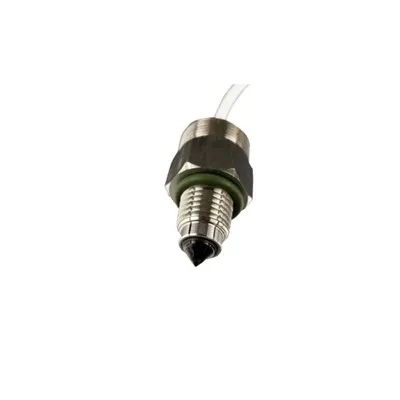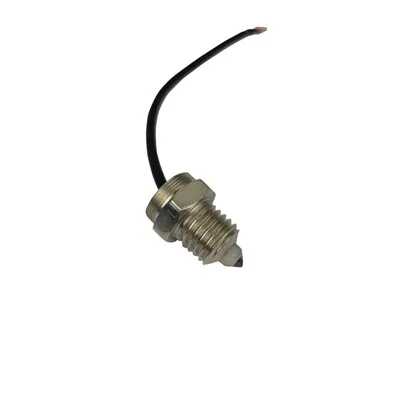
Global Experts in Gas & Liquid Sensor Solutions
A capabilities and solutions overview for gas and liquid sensing: what "gas & liquid sensor solutions" means, the gas-side and liquid-side technology spectrum, the common building blocks every solution shares (outputs, communications, enclosures, certification, calibration), why domain expertise matters when matching a sensor to a medium, industry applications, a selection and implementation checklist, safety considerations, and the complete FAQ.
What Does "Gas & Liquid Sensor Solutions" Mean? - Quick Answer
A gas & liquid sensor solutions provider supplies and integrates the detection of two states of matter - gases (toxic, combustible, oxygen, VOC) and liquids (level, presence, interface, flow) - as a single capability across industries. On the gas side, the core technologies are electrochemical, NDIR/infrared, catalytic (LEL), semiconductor (MOS), and photoionization (PID). On the liquid side, the core technologies are float, optical (TIR), capacitive, ultrasonic, radar, pressure, vibrating fork, and conductive. What makes a solution (not just a part) is the shared platform: standardized outputs (4–20 mA, digital, IO-Link), hazardous-area certification, calibration, and integration into control systems. The expertise is in matching the right technology to the target medium, the environment, and the compliance need.
Two Domains, One Capability
Gas and Liquid Sensing Compared
The shared job - different physics:
| Aspect | Gas Sensing | Liquid Sensing |
|---|---|---|
| Target | Molecules in air | Surface / volume of fluid |
| Key question | "What / how much gas?" | "How full / present?" |
| Dominant methods | Electrochem, NDIR, catalytic, PID | Float, optical, capacitive, ultrasonic, radar, pressure |
| Hazard addressed | Toxic, explosive, oxygen deficit | Overflow, dry-run, contamination |
| Typical output | 4–20 mA, Modbus, relay | 4–20 mA, digital, relay |
Different matter, same engineering discipline: Both domains turn a physical property into a signal a controller can use. Gas sensing reads molecular concentration in air (a toxicity or explosion risk); liquid sensing reads the position or presence of a fluid surface (an overflow or dry-run risk). The measurement physics differ, but the surrounding solution - power, output, certification, calibration, integration - is the same discipline. A provider that covers both can specify one without forgetting the other's failure modes. (Liquid side deep-dive: Guide to Liquid Level Sensors.)
The Gas-Side Technology Spectrum
How Gases Are Detected
Core gas technologies:
| Technology | Best For | Principle (short) |
|---|---|---|
| Electrochemical | Toxic (CO, H₂S, O₂) | Oxidation/reduction current |
| NDIR / IR | CO₂, hydrocarbons | IR absorption at target band |
| Catalytic (LEL) | Combustible gas | Catalyzed combustion heat |
| Semiconductor (MOS) | Reducing gases, VOC | Resistance change (TGS-type) |
| PID | VOCs, hydrocarbons | UV photoionization current |
| Ultrasonic | Gas flow / leak | Sound time-of-flight |
Match the gas to the method: Toxic gases like carbon monoxide and hydrogen sulfide are best read by electrochemical cells (the target gas reacts at an electrode, producing a current proportional to concentration). Carbon dioxide and many hydrocarbons are read by NDIR (non-dispersive infrared) absorption at a specific wavelength. Combustible (explosive) gas is read by catalytic LEL sensors (a bead catalyzes combustion and heats up) or by infrared. Broad VOC screening uses PID (UV light ionizes molecules). Low-cost reducing-gas detection uses semiconductor (MOS) sensors. Gas flow or leak uses ultrasonic time-of-flight. Picking wrong (e.g., catalytic in a lead-poisoning or silicone environment) shorts sensor life - expertise matters. (Safety context: GDOTS emergency protocol for gas leaks.)
The Liquid-Side Technology Spectrum
How Liquids Are Detected
Core liquid technologies (brief):
| Technology | Point / Cont. | Principle (short) |
|---|---|---|
| Float | Point | Buoyancy moves a switch |
| Optical (TIR) | Point | Light reflection at tip |
| Conductive | Point | Liquid completes a circuit |
| Capacitive | Point / Cont. | Dielectric change |
| Ultrasonic | Continuous | Sound echo time-of-flight |
| Radar | Continuous | Microwave echo time-of-flight |
| Pressure | Continuous | Hydrostatic P = ρgh |
| Vibrating fork | Point | Frequency shift when wetted |
Pick by liquid property: The liquid-side spectrum runs from simple float switches (buoyancy, any liquid) to sealed optical TIR points (any liquid, even pure water), capacitive (dielectric, through-wall), ultrasonic and radar (non-contact continuous, d = c×t/2), pressure (hydrostatic head P = ρgh), and vibrating fork (robust on sticky/viscous fluids). Conductive probes work only on conductive liquids and fail on pure water. The "right" choice follows the liquid's conductivity, clarity, corrosiveness, and whether you need point or continuous - exactly the questions a solutions expert answers. (Full map: What Is a Liquid Level Sensor?)
The Shared Solution Building Blocks
What Turns a Sensor Into a Solution
Common platform elements:
| Element | Why It Matters |
|---|---|
| Output | 4–20 mA, 0–10 V, digital, relay |
| Communication | IO-Link, Modbus, BACnet, HART |
| Enclosure | IP rating, material (SS, plastic) |
| Certification | ATEX / IECEx for hazardous areas |
| Calibration | Zero / span, gas/liquid reference |
| Integration | PLC, BMS, SCADA, alarm |
The platform is the product: A bare sensor is a component; a solution adds the platform that makes it deployable. Standardized analog (4–20 mA, with its live-zero that reveals a broken loop) or digital (IO-Link, Modbus) outputs plug into controllers. Enclosures match the environment (stainless for washdown, plastic for corrosion). In explosive atmospheres, hazardous-area certification (ATEX/IECEx) is mandatory for gas detectors. Calibration against a known reference keeps the reading honest, and integration into a PLC/BMS/SCADA turns the signal into action. Expertise shows up most in these unglamorous but deployment-critical choices. (Output logic: Digital Output Level Sensor - OS2.)
Why Expertise Matters
Matching Technology to Medium
The expertise checklist:
| Question | Drives Choice |
|---|---|
| Target gas / liquid? | Electrochem vs NDIR; optical vs capacitive |
| Concentration / purity? | Pure water fails conductive |
| Environment? | Temp, pressure, foam, dust, vapor |
| Hazard class? | Toxic / explosive → certified |
| Compliance? | ATEX, OSHA, EPA, local codes |
| Lifecycle? | Calibration, drift, replacement |
Expertise = avoiding expensive mistakes: The difference between a working install and a liability is knowing, for example, that a conductive liquid probe fails on pure/deionized water (use optical or capacitive), that catalytic LEL sensors poison in silicone/lead environments, that foam blinds ultrasonic (use radar), and that a gas detector in a classified area needs ATEX/IECEx. Experts also plan the lifecycle - electrochemical cells drift and expire, optical tips foul, radar needs no moving parts. Matching technology to the actual medium, environment, and code is the value a "global expert" provides over a parts catalog. (Pure-water caveat: Which Sensor Is Used to Detect Water?)
Applications by Industry
Where Gas & Liquid Sensing Converge
Industry use cases:
| Industry | Gas Need | Liquid Need |
|---|---|---|
| Oil & gas | Combustible (LEL), H₂S | Tank level, interface |
| Water / wastewater | H₂S, CH₄, O₂ | Level, flow, wet wells |
| HVAC / building | CO, CO₂, refrigerant | Condensate, boiler level |
| Food & beverage | Ammonia, CO₂ | Tank level, CIP |
| Chemical | Toxic, flammable | Through-wall level, leak |
| Medical / lab | O₂, anesthetic | Pure-water, reagent |
| Environmental | VOC, ambient | Level, rainfall |
Convergent sites: Many sites need both. A wastewater plant watches H₂S/CH₄/O₂ in headspaces and measures wet-well level and pump flow. An oil & gas site monitors combustible gas and H₂S while tracking tank level and oil/water interface. A food plant uses ammonia/CO₂ gas detection and sanitary tank-level sensing. A medical/lab site needs O₂ and pure-water monitoring (where conductive liquid probes fail). A solutions provider that owns both domains ships one integrated spec instead of two disconnected ones. (Leak/interface: Optical Liquid Point Level Sensors.)
Selection & Implementation Checklist
From Need to Deployed Solution
Step-by-step:
| Step | Action |
|---|---|
| 1. Define | Target gas/liquid, hazard |
| 2. Classify | Area (safe / hazardous) |
| 3. Choose | Technology per medium |
| 4. Specify | Output, comms, enclosure, cert |
| 5. Calibrate | Reference zero / span |
| 6. Integrate | Controller, alarm, logging |
| 7. Maintain | Schedule recal / replace |
Seven steps to a real solution: Define the exact target and hazard; classify the area (safe vs. explosive - drives certification); choose the technology that fits the medium (gas method or liquid method above); specify output, communication, enclosure, and any hazardous-area cert; calibrate against a known reference; integrate into the controller with alarms and logging; and plan maintenance (recalibration, cell/sensor replacement). Skipping step 2 or 5 is the most common cause of field failures. (Integration: Arduino Interfacing with Water Level Sensor for DIY context.)
Safety Considerations
The Hazards Both Domains Address
Why sensing exists:
| Domain | Hazard | Sensor Role |
|---|---|---|
| Gas | Toxic exposure, explosion | Detect early, alarm, vent |
| Liquid | Overflow, dry-run, leak | Alarm, pump control |
| Both | Environmental release | Monitor, log, comply |
Sensing is a safety system: Gas sensors exist to catch toxic exposure and explosive mixtures before they hurt people - they alarm, trigger ventilation, and log for compliance. Liquid sensors exist to stop overflow, dry-run (which burns out pumps), and leaks (which waste or contaminate). In environmental service, both log releases for regulatory proof. A solution is only as good as its alarm escalation and its calibration; an uncalibrated gas detector or a fouled liquid tip is effectively blind. Treat both as protective systems, not meters. (Emergency response: GDOTS - Go outside, Doors open, Turn off tank, Telephone 911.)
Frequently Asked Questions
Q1: What does a "gas & liquid sensor solutions" provider actually do?
It specifies, supplies, and integrates sensors for both gases (toxic, combustible, oxygen, VOC) and liquids (level, presence, interface, flow) as one capability. Beyond the sensor itself, it delivers the shared platform - standardized outputs (4–20 mA, digital, IO-Link), hazardous-area certification where needed, calibration, and integration into PLC/BMS/SCADA systems - and matches each technology to the actual medium, environment, and compliance requirement. The value is correct specification and deployable integration, not just selling parts.
Q2: Which gas-sensing technology should I use?
It depends on the target gas: electrochemical for toxic gases like CO and H₂S and for oxygen; NDIR/infrared for CO₂ and many hydrocarbons; catalytic (LEL) or infrared for combustible gas; PID for broad VOC screening; and semiconductor (MOS) for low-cost reducing-gas detection. Match the method to the gas and the environment - for example, catalytic LEL sensors poison in silicone/lead atmospheres, where infrared is safer. A solutions expert selects based on target, range, and location.
Q3: Which liquid-level technology should I use?
For a simple on/off alarm on any liquid (including pure water), optical TIR or capacitive is preferred; float works by buoyancy on any liquid but has moving parts; ultrasonic and radar give continuous non-contact level; pressure gives continuous level from hydrostatic head (P = ρgh) if density is known; vibrating fork suits sticky/viscous fluids. Conductive probes only work on conductive liquids and fail on pure water. Choose by liquid property (conductivity, clarity, corrosiveness) and whether you need point or continuous. (Full guide: Guide to Liquid Level Sensors.)
Q4: Why does certification (ATEX/IECEx) matter for gas sensors?
Because gas detectors are often placed exactly where explosive atmospheres exist - near combustible gas, in confined spaces, or in process areas. In those classified (hazardous) zones, a sensor and its electronics must be certified not to ignite the atmosphere (ATEX in Europe, IECEx internationally). Using a non-certified detector in a classified area is unsafe and usually non-compliant. Certification is therefore a core part of a gas solution, not an optional extra.
Q5: Can one provider really handle both gas and liquid sensing well?
Yes - and it is often better than two specialists, because many sites need both and the surrounding platform (outputs, comms, certification, calibration, integration) is identical. The measurement physics differs (gas = molecular concentration; liquid = surface/volume), but the deployment discipline is the same. A provider covering both can deliver one integrated specification, one calibration and maintenance plan, and one integration path, which reduces mismatch and downtime compared with stitching two vendors together.
The Bottom Line
"Gas & liquid sensor solutions" means integrated detection of gases (toxic, combustible, oxygen, VOC) and liquids (level, presence, interface, flow) delivered as a deployable capability - gas side via electrochemical, NDIR/IR, catalytic, semiconductor, and PID; liquid side via float, optical, capacitive, ultrasonic, radar, pressure, vibrating fork, and conductive - all sharing a platform of standardized outputs, communications, enclosures, hazardous-area certification, calibration, and control-system integration. The expertise is not in any single sensor but in matching technology to the target medium (e.g., optical/capacitive for pure water where conductive fails; infrared over catalytic in poisoning environments), the environment, and the code, then shipping it calibrated and integrated. Gas sensing prevents toxic and explosive harm; liquid sensing prevents overflow, dry-run, and leaks. Done as one solution, both domains ship under a single spec, calibration plan, and integration path.
Last updated: August 2026
Disclaimer: This article is a generic capabilities/solutions overview for gas and liquid sensor technologies. The phrase "Global Experts in Gas & Liquid Sensor Solutions" is used here as a descriptive category heading, not as the verified name or endorsement of any specific company; web searches returned no single company with this exact name. Technology descriptions (electrochemical oxidation/reduction current; NDIR infrared absorption; catalytic LEL combustion; semiconductor/MOS resistance change, TGS-type; PID UV photoionization; ultrasonic time-of-flight; optical TIR dry-reflect/wet-refract, refractive index air ≈ 1.00 / water ≈ 1.33; capacitive dielectric water ≈ 80; ultrasonic/radar distance = c×t/2; pressure P = ρgh; conductive probes fail on pure/deionized water; 4–20 mA live-zero; ATEX/IECEx hazardous-area certification) are established sensing facts. Specific product specs, certification scopes, and compliance requirements vary by manufacturer and jurisdiction - verify against official datasheets and applicable codes (ATEX, IECEx, OSHA, EPA, local) before specification or deployment. This overview is not affiliated with or sponsored by any manufacturer or supplier.